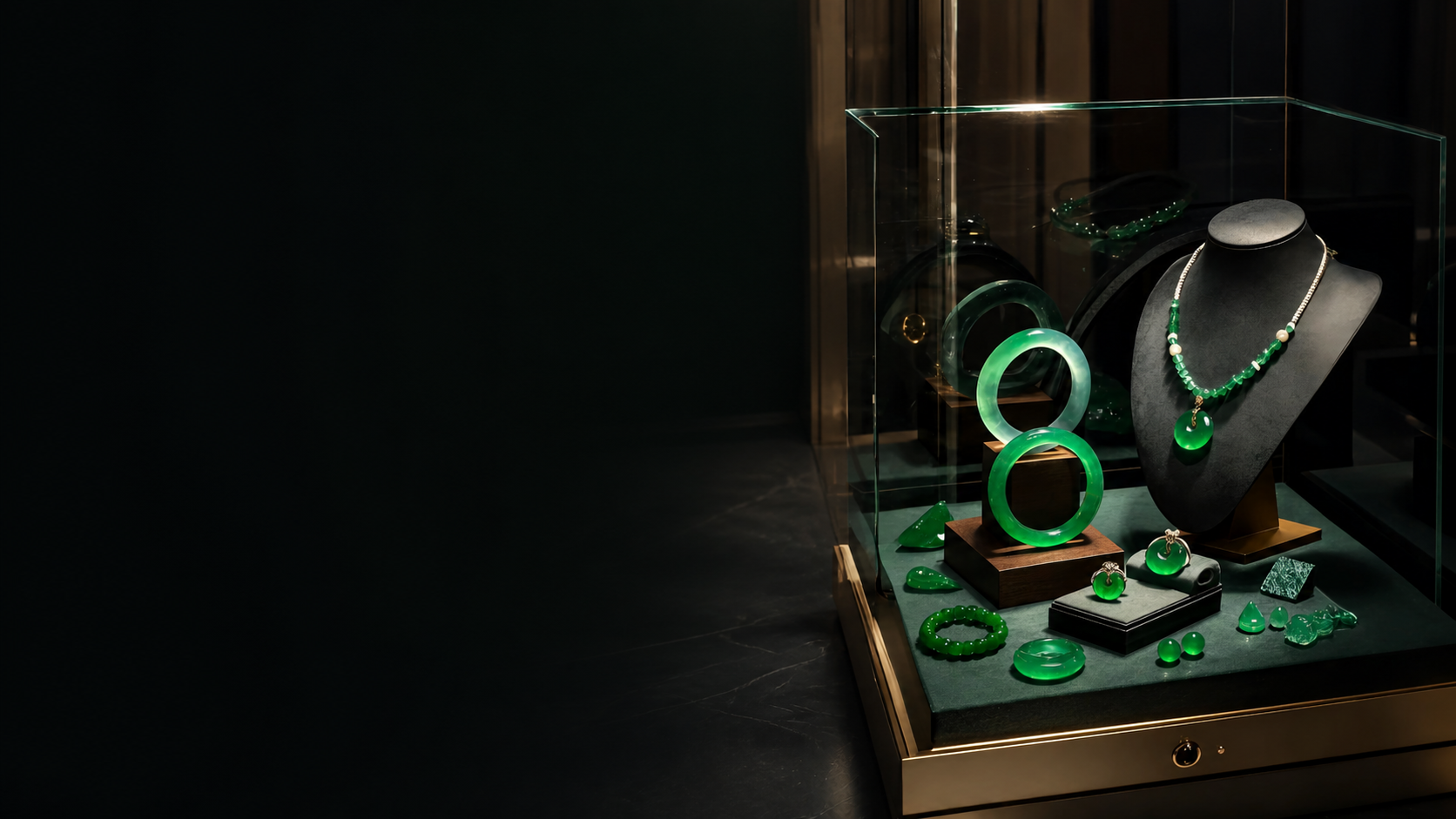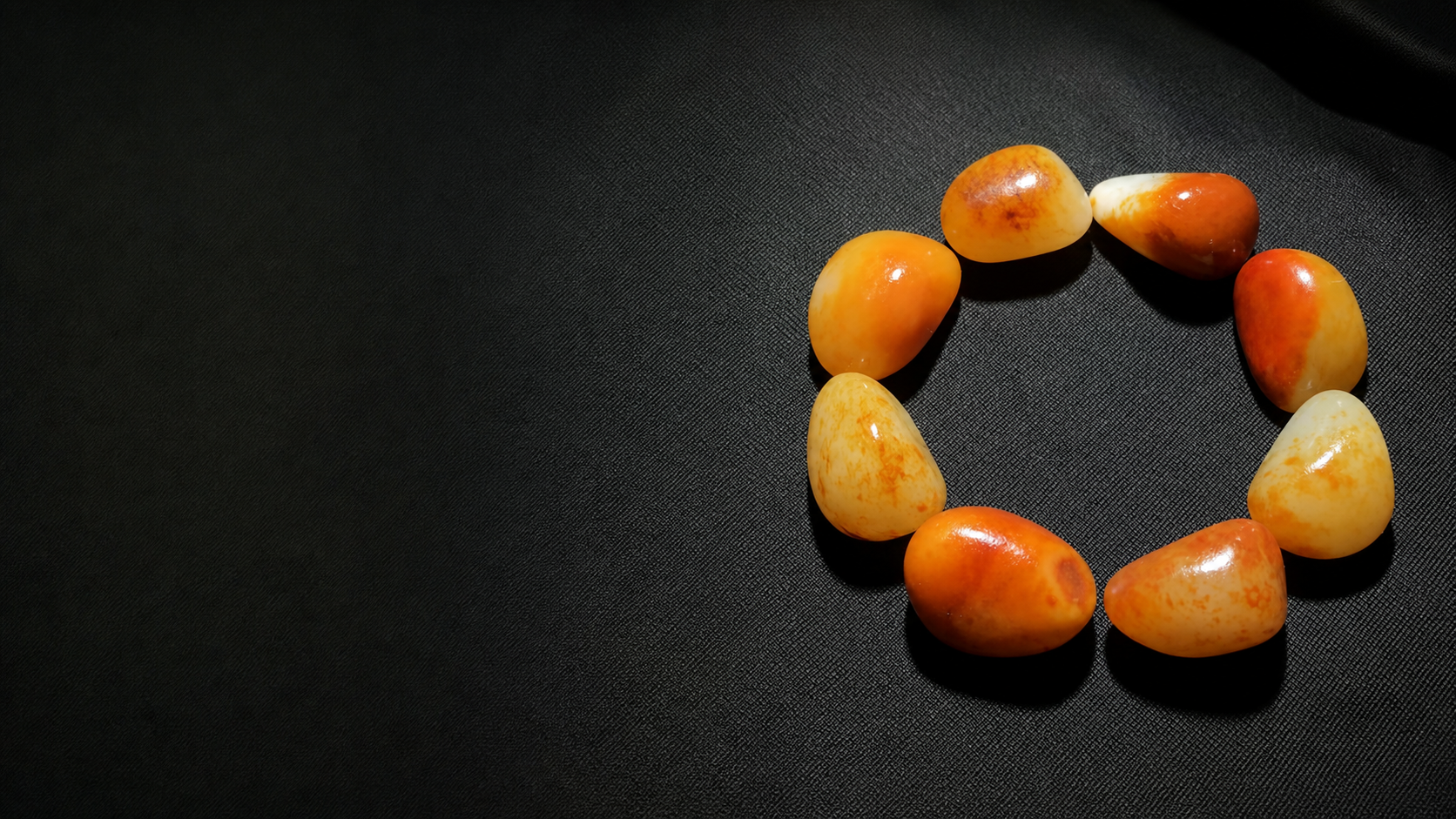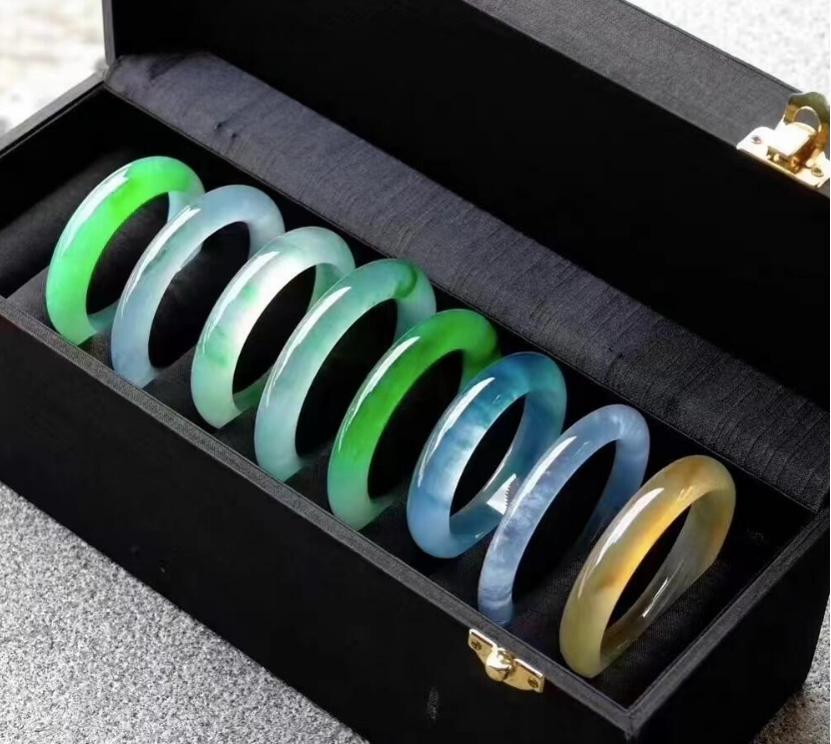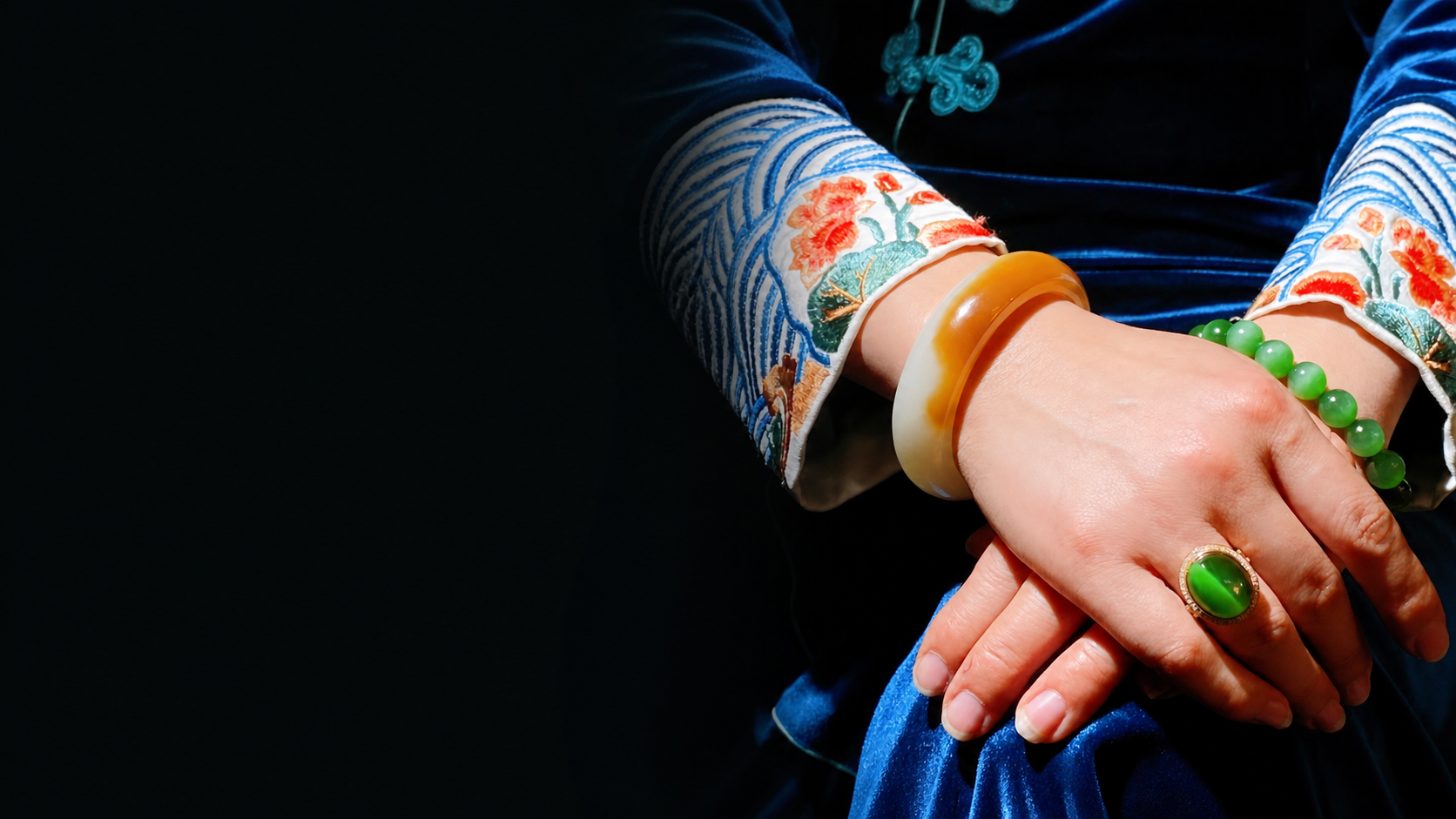
Jade is one of the oldest and most respected natural treasures in Chinese culture. For thousands of years, it has been used for jewelry, carvings, ornaments, ritual objects, and objects of personal meaning. Yet for many people outside China, the word “jade” can be confusing. Many different stones are sold as “jade,” while their materials, origins, qualities, and values can be very different.
For anyone who wants to understand jade or begin collecting it, the first step is to understand what jade really is.
At Hermit Jade, we take a clear view. In the world of true jade, there are two great types: jadeite and nephrite. Jadeite jade is a pyroxene-rich jade material, while nephrite jade is an amphibole-rich jade material. Both are made of tightly interlocking microscopic crystals, which gives jade its famous toughness. They are different materials, with different histories, appearances, sources, and collecting traditions. The finest examples of both can be extremely rare and valuable, combining natural beauty with human craftsmanship.
Nephrite Jade — The Soul of Chinese Jade
If jadeite is known for color, translucency, light, and visual impact, nephrite represents another side of jade: history, texture, touch, craftsmanship, and cultural continuity.
Nephrite has been treasured in China for thousands of years. Its colors range from white and green to yellow, gray, brown, and black. Its dense, fibrous structure gives it exceptional toughness and a distinctive smooth appearance. For many collectors, the charm of fine nephrite is about the touch and inner glow. Good nephrite can feel remarkably smooth, silky, or oily in the hand.
This is a different kind of beauty, and it is one of the reasons nephrite has such a deep place in Chinese jade culture.
Why Is Nephrite Called Hetian Jade in China?
As you enter the world of nephrite jade, you may notice that people call nephrite jade Hetian Jade (和田玉) as well. You may even see “Hetian Jade” written on certificates instead of “nephrite jade.” This can be confusing, especially when you are just beginning to learn about jade.
Hetian is a place in Xinjiang, China. So if nephrite jade is called Hetian Jade, does that mean all nephrite jade comes from this one place? The answer is no.
There are many nephrite sources around the world. However, because nephrite jade from Xinjiang Hetian has such a strong reputation in China, the name Hetian Jade (和田玉) is now also widely used in the Chinese jade market for nephrite from other origins. Nephrite from places such as Qinghai in China and Russia is also sold under the broader name Hetian Jade, even though it does not originate from Hetian.
Different origins can produce their own distinctive characteristics, and each can have fine material that is valued by collectors. For serious collectors, origin is something they want to understand, and experienced collectors can often recognize differences between materials from different origins. But origin alone does not determine the value of a piece of nephrite jade. Different origins can produce pieces of high value and beauty.
Jadeite and Nephrite: Two Different Collecting Worlds
Jadeite and nephrite should not simply be viewed as “better” or “worse” versions of each other. They offer two very different experiences for collectors. A serious collector can appreciate both. Fine jadeite may attract you with its color and light, while fine nephrite may draw you in through its texture, warmth, and sense of history. They are different, but both belong to the world of jade.
| Jadeite | Nephrite | |
|---|---|---|
| Main character | Color, translucency, light | Texture, warmth, material character |
| Best-known source | Myanmar | China, Russia, and other regions |
| Chinese tradition | Particularly important in Chinese luxury jade culture from the Qing period onward | Thousands of years of Chinese jade culture |
| Famous colors | Imperial green, lavender, white, etc. | White, green, mutton-fat white, celadon, black, etc. |
| Collector focus | Color, transparency, texture, structure, rarity | Texture, density, oiliness, color, natural character, craftsmanship, provenance |
| Market character | Strong luxury jewelry and auction market | Strong cultural, artistic, and collector market |
| Ultimate attraction | Rare visual beauty, translucency, and scarcity | Material character, history, and individuality |
What About Other Stones Called “Jade”?
This is where buyers need to be careful.
Many other stones may be sold as “jade” because they look similar or have traditionally been used for carvings. But looking like jade does not make a material jade. Materials such as serpentine, quartzite, and other ornamental stones can be beautiful in their own right, but they are not the same materials as jadeite or nephrite. For serious collectors, authenticity is the beginning.
Nephrite Jade Terminology — 和田玉
For nephrite, Chinese collectors often pay closer attention to texture, density, oiliness, warmth, structure, and natural character than simply transparency.
A. 玉质 — Material Quality
玉质 (Yùzhì) — Jade Quality / Material Character
A broad term describing the overall quality and character of nephrite.
It includes qualities such as fineness, density, texture, oiliness, warmth, and visual purity.
细腻 (Xìnì) — Fine / Fine-grained
Describes a nephrite material with a very fine and smooth internal structure.
细度 (Xìdù) — Fineness of Structure
Refers to how fine and compact the internal structure of the nephrite appears.
Fine 细度 is highly valued in quality nephrite.
油性 (Yóuxìng) — Oiliness
One of the most commonly used terms in Chinese nephrite collecting.
It describes the rich, smooth, oily visual and tactile quality of fine nephrite. It does not mean that the stone contains actual oil.
糯性 (Nuòxìng) — Waxy / Soft, Creamy Quality
A soft, rich, cohesive visual quality often associated with fine nephrite.
脂感 (Zhīgǎn) — Fat-like / Rich Luster
A warm, creamy visual quality, often used when describing high-quality white nephrite.
温润 (Wēnrùn) — Warm and Gentle Luster
One of the most important traditional qualities of Chinese jade.
It describes a jade that feels warm, smooth, gentle, and refined rather than overly bright or flashy.
白度 (Báidù) — Whiteness
The degree and quality of whiteness in white nephrite.
For high-end white nephrite, collectors consider not only how white the material is, but also its 细度、油性、脂感 and overall jade quality.
B. 和田玉颜色 — Nephrite Colors
羊脂白 (Yángzhī Bái) — Mutton-fat White
A traditional term for exceptionally fine white nephrite with a warm, creamy, rich appearance.
It is not simply “the whitest white.” The overall texture, fineness, oiliness, and warmth are also important.
白玉 (Bái Yù) — White Nephrite
White nephrite ranging from very pale white to warmer creamy tones.
青白玉 (Qīngbái Yù) — Bluish-White Nephrite
Nephrite with a subtle blue or gray-green undertone to its white color.
青玉 (Qīng Yù) — Greenish / Bluish-Green Nephrite
A broad category of darker greenish or bluish-green nephrite.
碧玉 (Bì Yù) — Green Nephrite
Green nephrite, ranging from lighter green to deep, saturated green.
墨玉 (Mò Yù) — Black Nephrite
Very dark nephrite, usually caused by a high concentration of dark inclusions or coloring material.
黄玉 (Huáng Yù) — Yellow Nephrite
Yellow to golden-colored nephrite. Fine natural yellow nephrite is relatively rare.
C. 和田玉器型 — Nephrite Forms
Many forms overlap with jadeite, but nephrite has an especially long carving tradition in China.
平安扣 — Ping An Kou
A simple circular form traditionally associated with peace, safety, and harmony.
无事牌 — Wushi Pai / Plain Plaque
A simple plaque with little or no decoration, allowing the natural jade material to become the focus.
玉牌 (Yùpái) — Jade Plaque
A broader term for a jade plaque, which may be plain or carved.
手镯 — Bangle
Nephrite bangle, usually made from a single piece of material.
手串 — Bead Bracelet
A bracelet made from multiple nephrite beads.
吊坠 / 挂件 — Pendant
A nephrite pendant or hanging ornament, either plain or carved.
玉佩 (Yùpèi) — Jade Pendant / Jade Ornament
A traditional Chinese jade ornament worn on the body, with a long cultural history.
雕件 — Carved Jade
A nephrite carving featuring a traditional or contemporary subject.