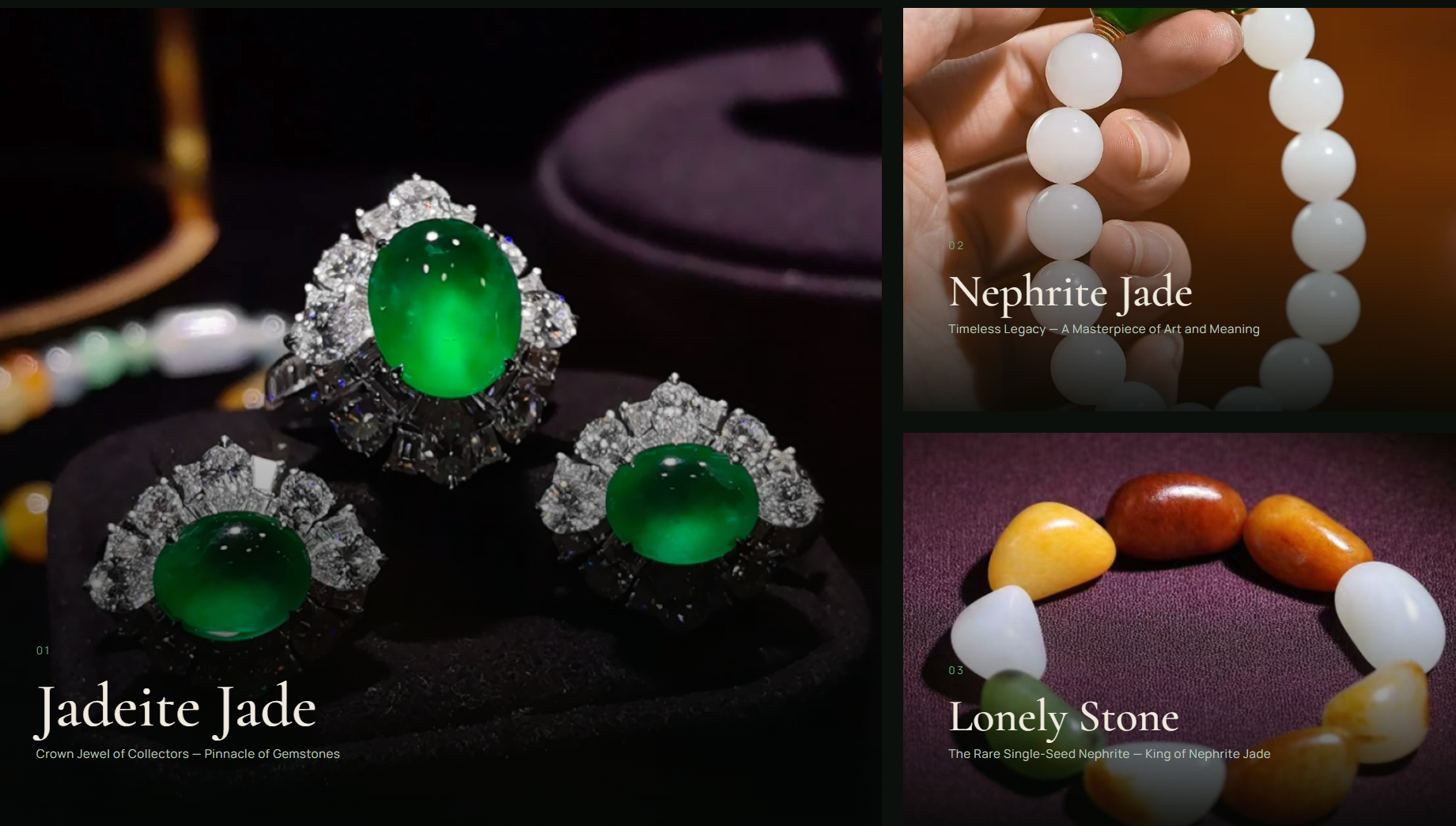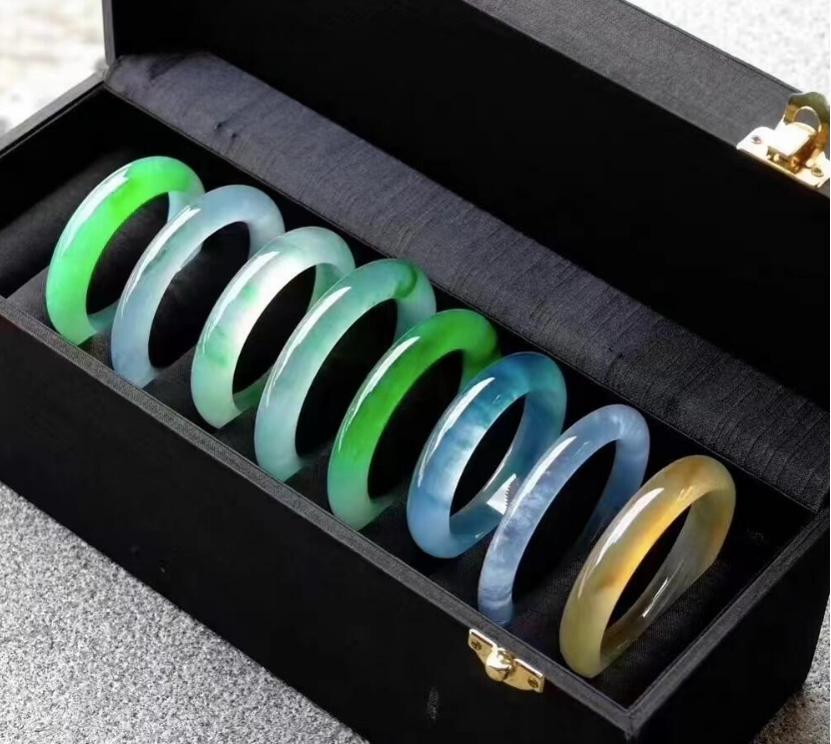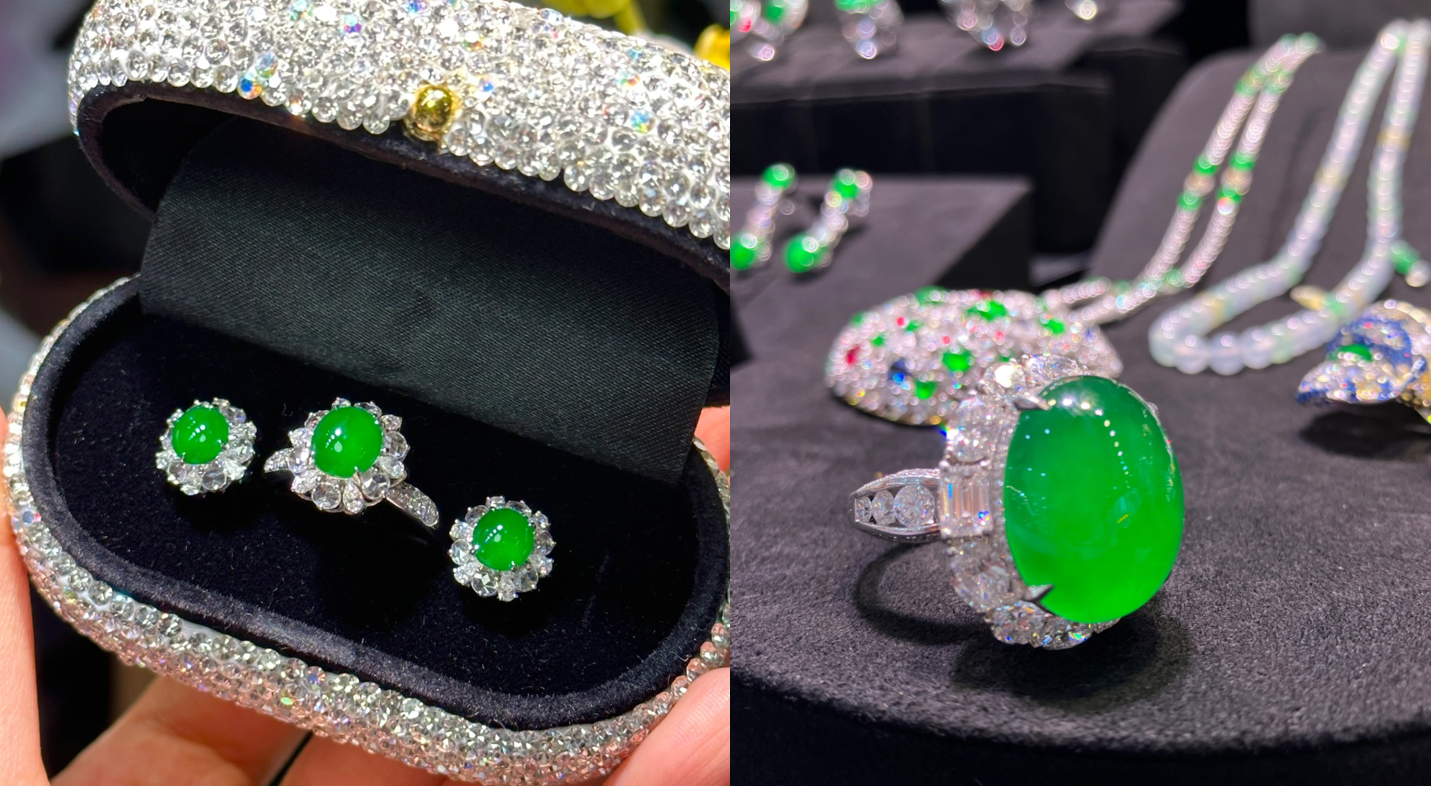
In the world of jadeite jade and jadeite jewelry, origin is a topic you cannot avoid. It influences how a piece looks, how it feels, how it performs over time—and ultimately, how it is valued. This is especially true when you are looking at luxury jadeite jewelry, premium jadeite, or pieces considered investment grade jade and collectible jade jewelry.
Basically, the global jadeite market is defined by two sources: Burmese jade and Guatemala jade. While both are technically jadeite, the gap between them is quite big.
Burmese Jadeite: The Source of High-End Jadeite
For centuries, Myanmar (Burma) has been the primary and most respected source of jadeite jade. From imperial green color to icy/glassy grain, the best quality jadeite stones almost all come from northern Myanmar, particularly from the historic mining areas along the Uru River.
When collectors talk about top-tier jadeite or premium jadeite, they are usually referring to Burmese material. This includes the most desirable qualities in the market: pure, vibrant color tones, fine and dense crystal structure, and the signature “grain and glow” that gives jadeite its life. Terms like imperial green, glass-type jadeite, and icy jadeite are almost always associated with Burmese origin.
Because of this, Burmese jade has become the standard for collectible jade jewelry. At the highest level, exceptional pieces are not just worn—they are collected, traded, and even treated as portable assets.
However, top-quality Burmese jadeite is becoming increasingly rare. After decades of extensive mining, top-grade material is harder to find, and its supply is tightening. At the same time, global demand continues to grow. This imbalance is one of the main reasons why prices for premium Burmese jadeite have risen significantly over the past years and remain strong. Top quality jadeite cabochons, beads, and bangles have reached record prices at international auctions.
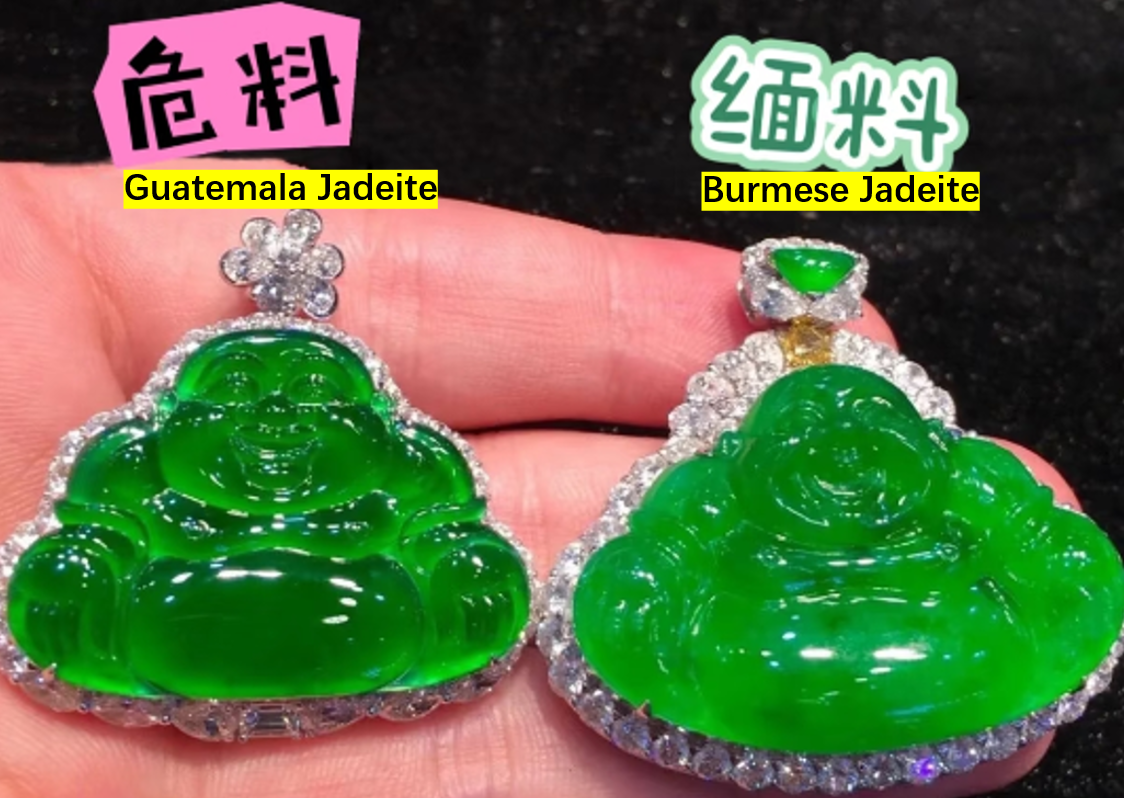
Guatemala Jadeite: The Emerging Alternative Under Scrutiny
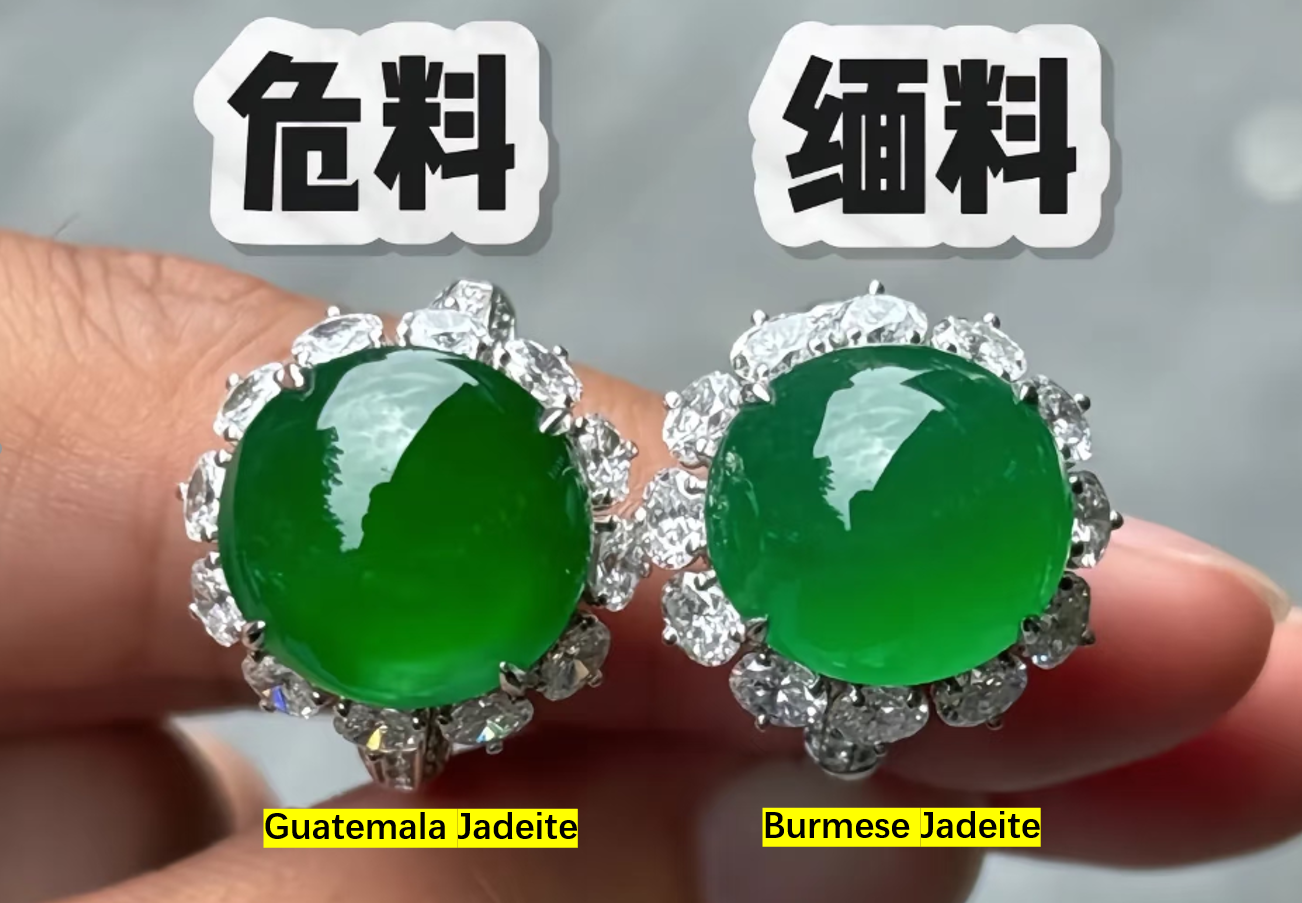
Compared to Myanmar, Guatemala jade is relatively new in the market. Although discovered decades ago, it only gained attention in recent years as Burmese jade prices keep increasing. Today, it is more widely available in the market than Myanmar jadeite and positioned as a more affordable option.
At first glance, some Guatemala jadeite appear attractive, especially under jewelry lighting. However, from a collector’s perspective, Guatemala jadeite has a much lower ceiling in terms of quality. Differences in color tone, internal structure, and light performance mean that it hardly reaches the level of top Burmese jadeite.
Under natural daylight, Guatemala jadeite color is often darker, with blue or gray undertones. And it usually shows less internal light movement and has more visible inclusions, such as cotton-like clouds or dark specks. As a result, it is rarely seen in high-end auctions and is generally not considered investment-grade jade.
Of course, there are exceptions. A very small number of supper quality Guatemala jadeite can reach impressive visual standards. And when priced correctly, it can still be a beautiful and reasonable choice for personal wear. However, as a material category, its overall quality ceiling is much lower than Burmese jadeite.
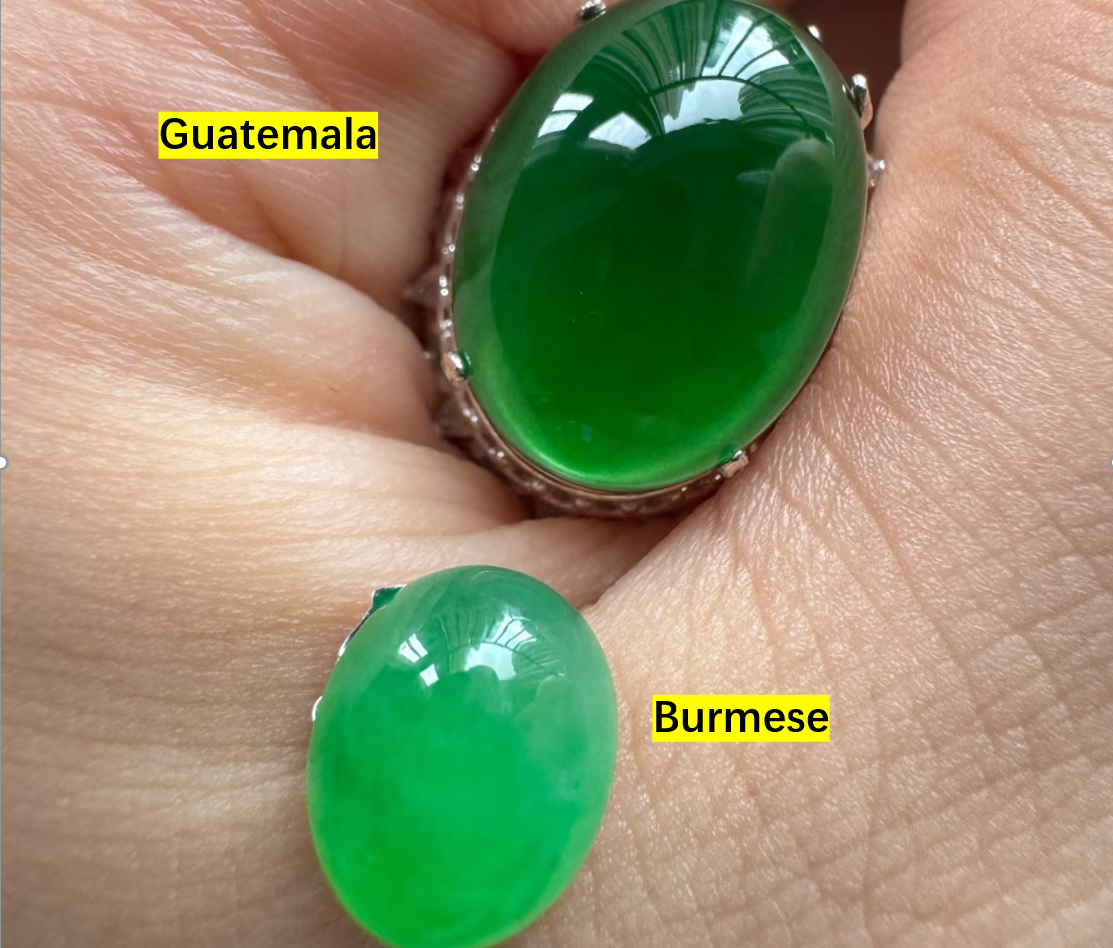
Market Reality: Price Reflects Origin and Quality
Burmese jade dominates the high-end market because of its unmatched quality and historical reputation. Guatemala jade fills a different role, offering more affordable options for those who appreciate jadeite but are not necessarily collecting at the highest level. For buyers, this means one thing: origin and price are closely connected, and understanding origin helps you understand whether the price makes sense.
In the next blogs, we’ll go deeper into the questions serious jadeite buyers care about:
How to tell Burmese jadeite from Guatemala jadeite in real-life
Whether jadeite certificates can confirm origin
Why high-end collectors prefer Burmese jadeite
The real risks when buying jadeite online
How to avoid overpaying and make confident buying decisions