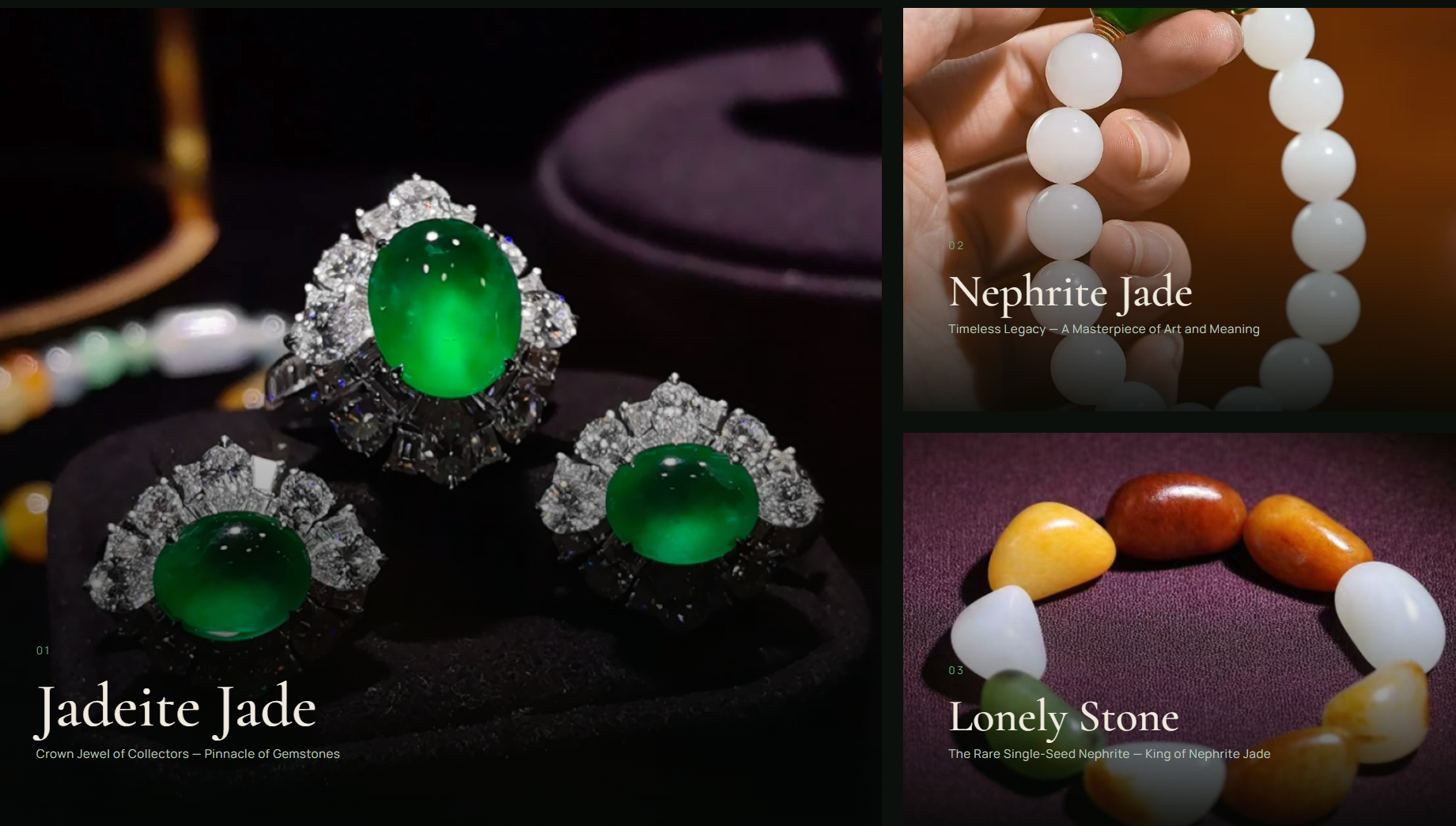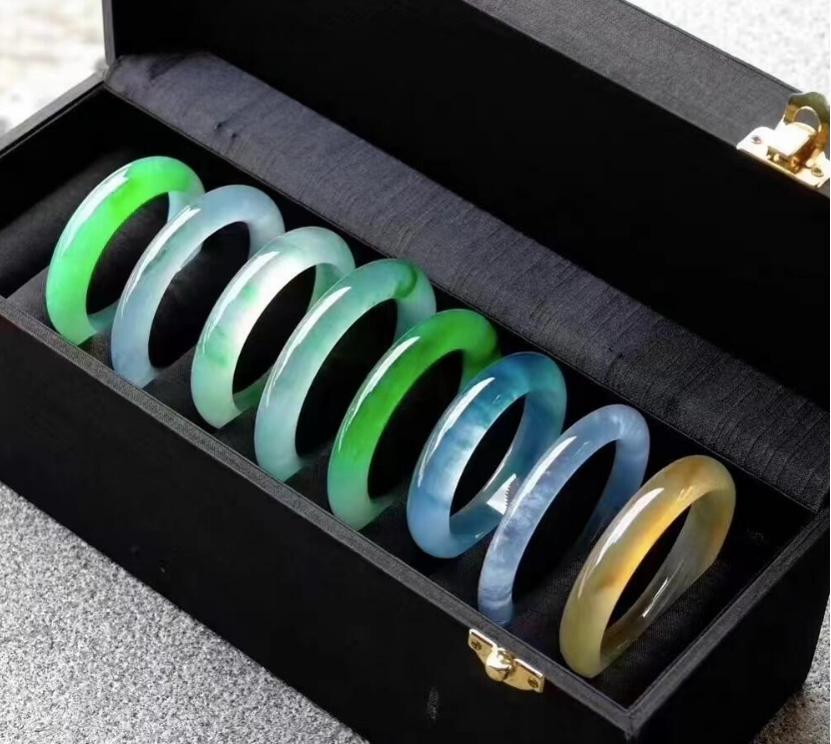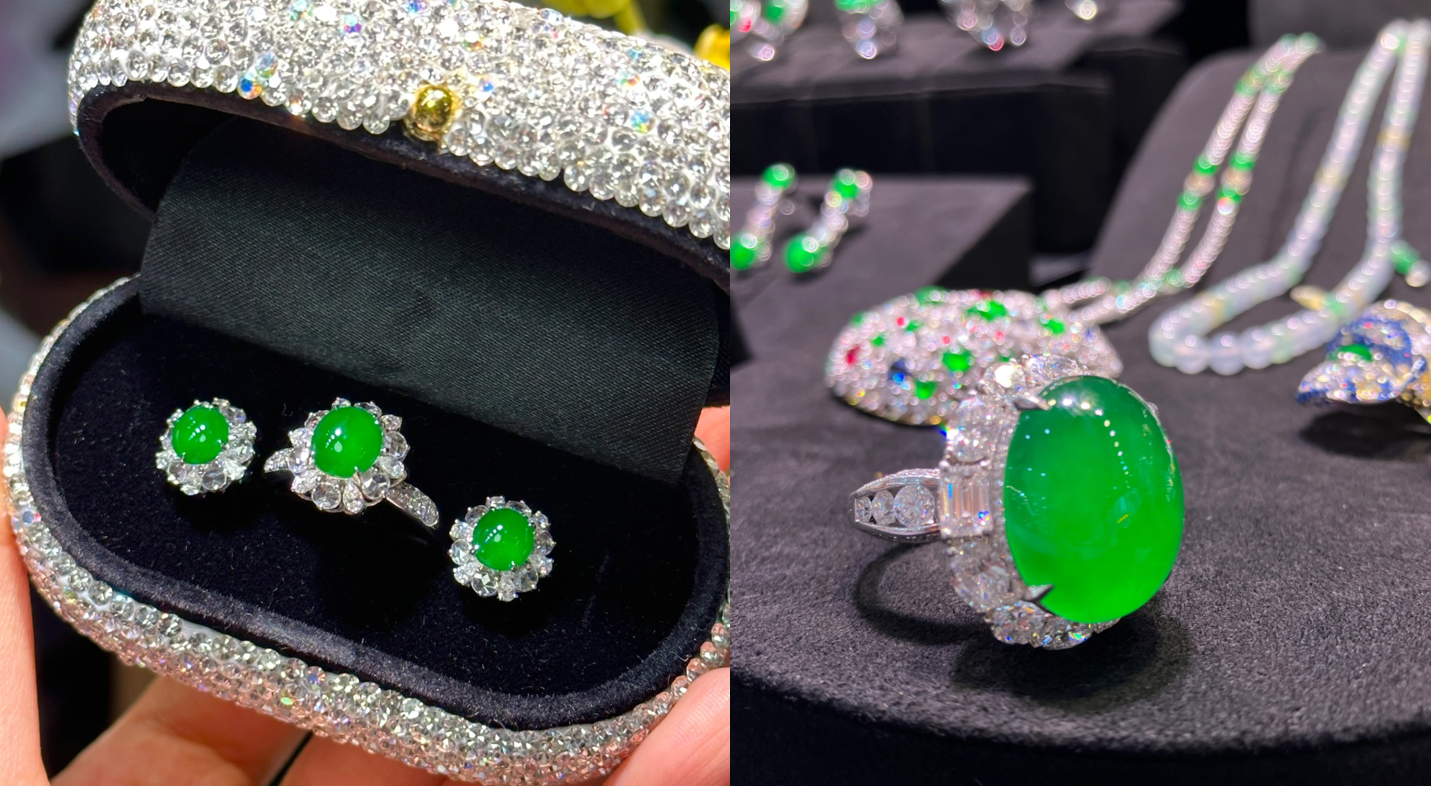
One of the reasons jade has fascinated collectors for thousands of years is that it is more than a beautiful gemstone. Every carved jadeite piece carries a story, a blessing, or a traditional wish. This combination of natural beauty, master craftsmanship, and cultural meaning is what makes jade unlike any other gemstone.
For experienced collectors, choosing a jadeite carving is not simply about selecting a design that looks attractive. They also appreciate the symbolism behind each subject and how the carving expresses the character of the jadeite itself.
Over centuries, certain jadeite carvings have become classics. They continue to appear in private collections, museums, auctions, and family heirlooms because their meanings never go out of style. In this blog, we are going to share some of the most respected and timeless jadeite carving themes.
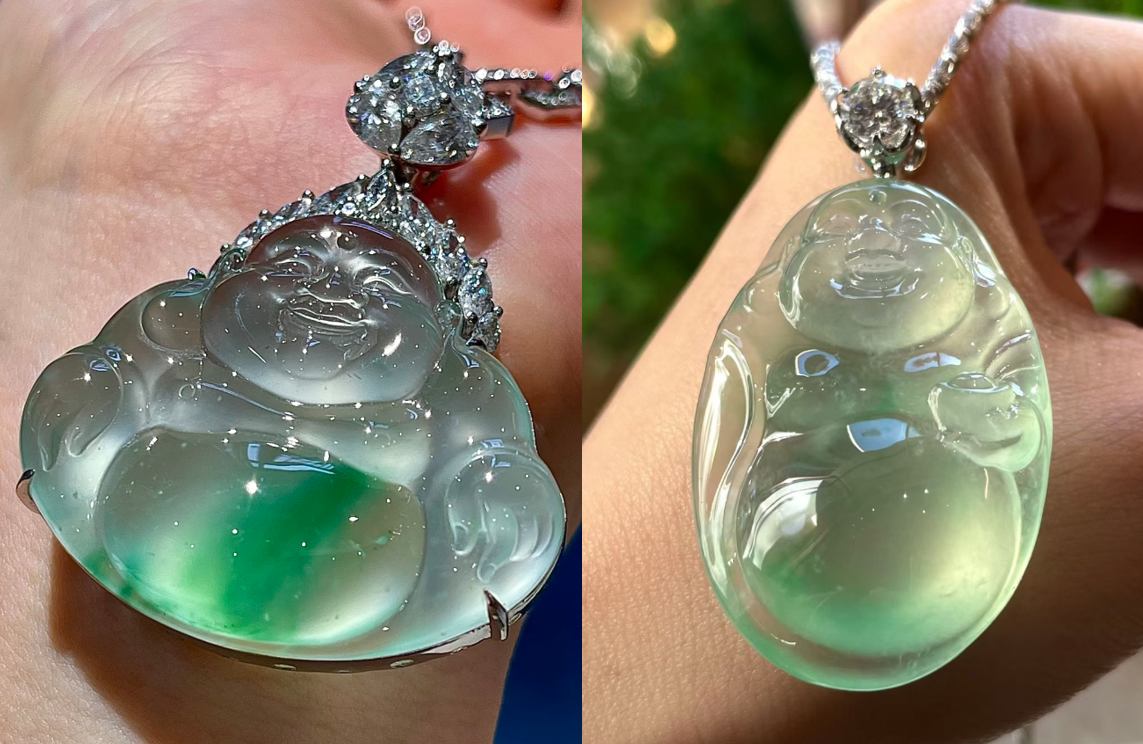
Buddha (Laughing Buddha)
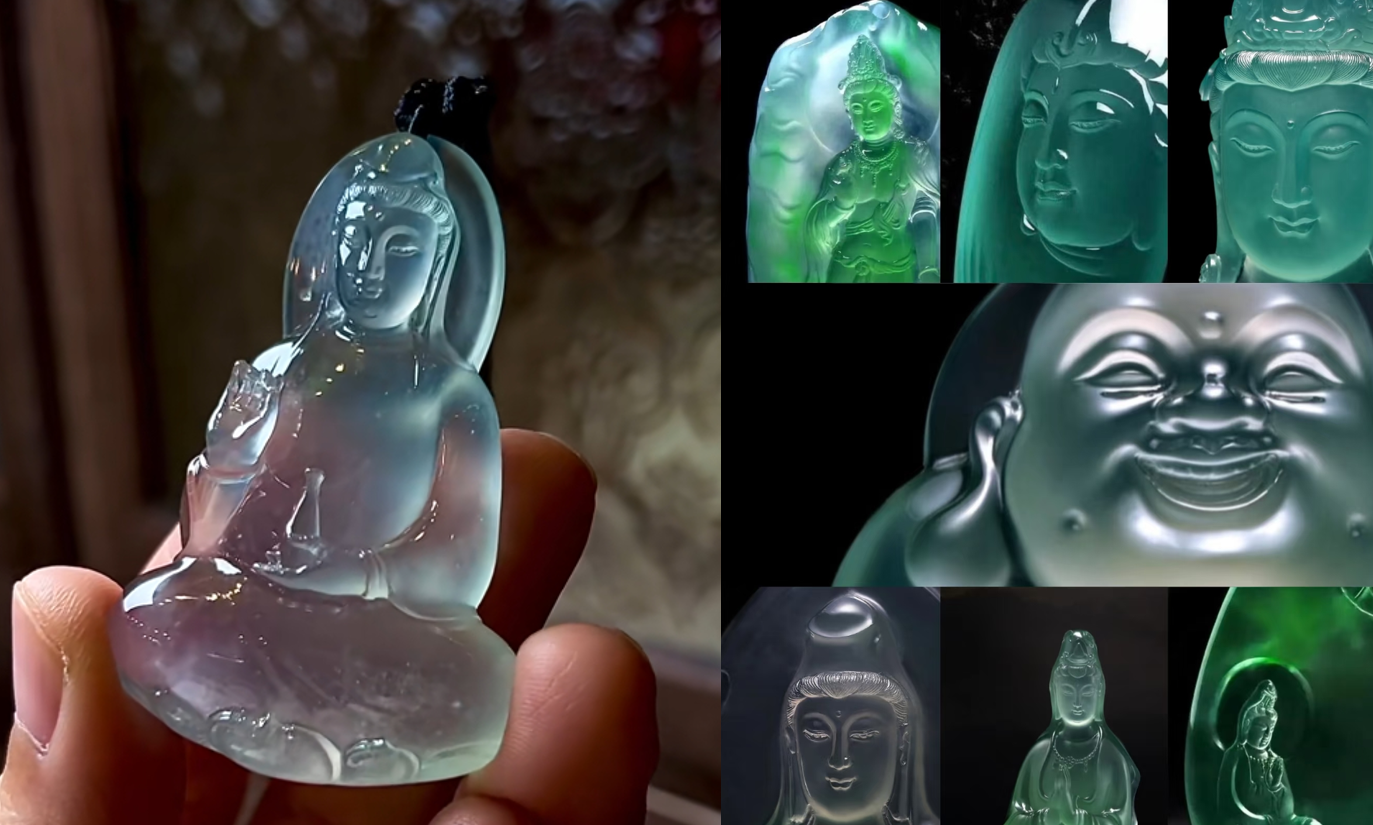
The Laughing Buddha is one of the most recognizable jadeite carvings. Rather than representing wealth alone, he symbolizes contentment, generosity, happiness, and inner peace. His smiling face reminds people to let go of worries and enjoy life with an open heart. Collectors often pay close attention to the Buddha's facial expression. A well-carved Buddha should look calm, joyful, and full of positive energy. Even with excellent jade material, a poorly carved face greatly reduces the artistic value of the piece. For many people, a Buddha pendant becomes a daily reminder to live with kindness and gratitude.
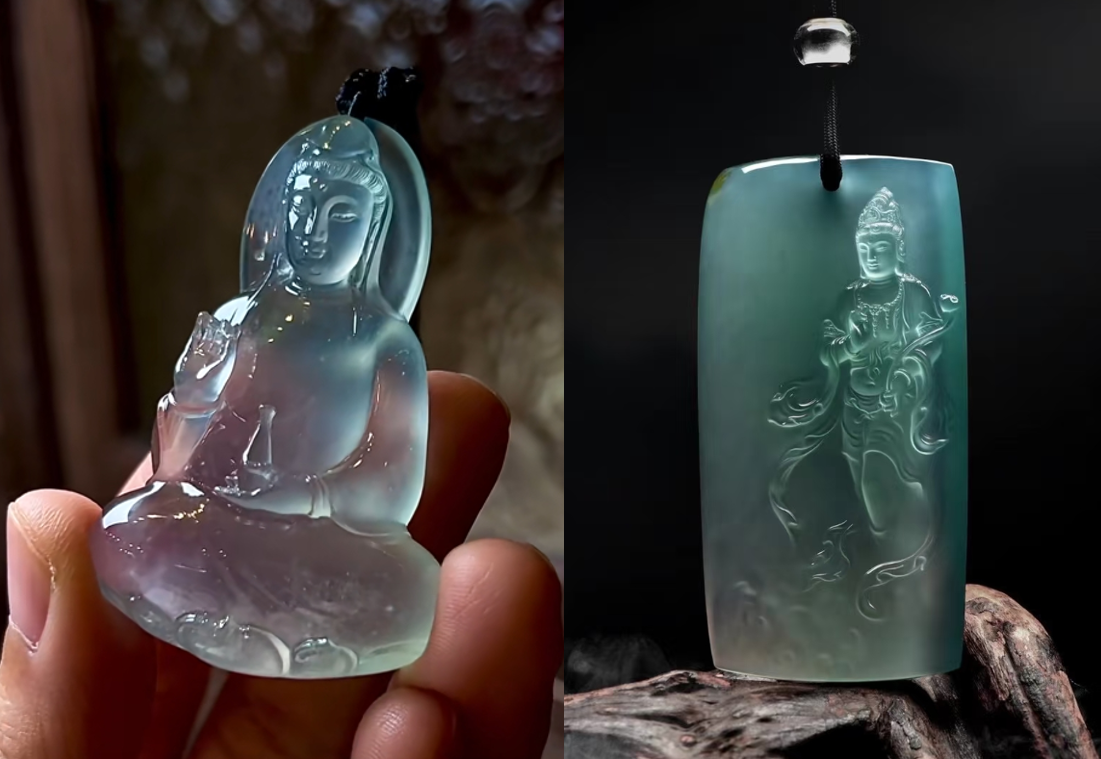
Guanyin (Goddess of Compassion)
Guanyin represents compassion, wisdom, and protection. She is one of the most respected figures in East Asian culture and has been carved in jade for centuries. Many people wear Guanyin pendants to seek peace, guidance, and emotional strength. For collectors, the most important feature is again the face. The expression should appear gentle, peaceful, and full of compassion. The flowing robes should feel elegant and natural. A beautifully carved Guanyin often becomes a treasured family heirloom passed from generation to generation.
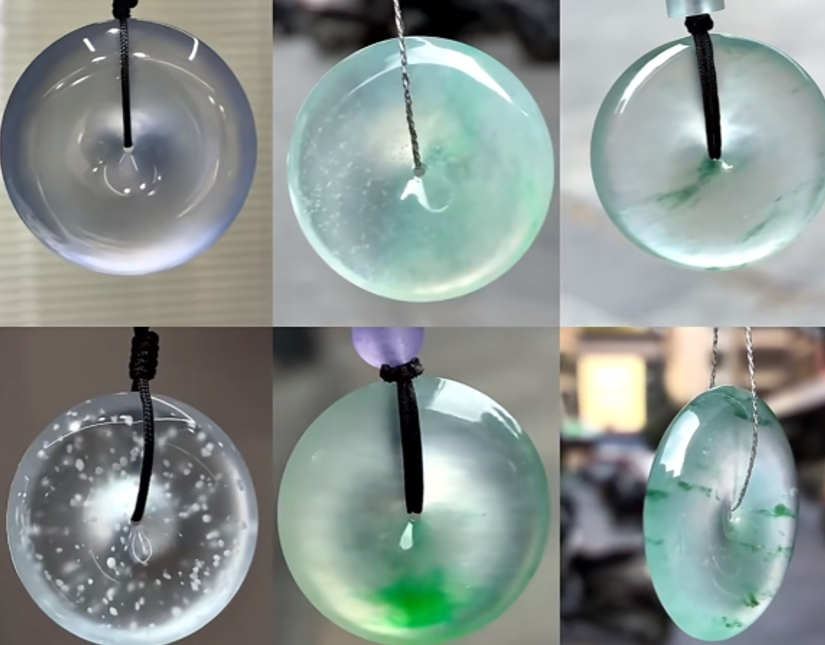
Ping An Kou (Peace Pendant 平安扣)
The Ping An Kou, often called the Chinese Peace Pendant, is one of the oldest and most iconic jade designs. Its simple circular shape symbolizes peace, safety, harmony, completeness and protection. Because the design contains almost no carving, the quality of the jadeite itself becomes the center of attention. Collectors therefore look for excellent color, transparency, texture, and polish. Its timeless simplicity makes it suitable for both men and women of all ages.
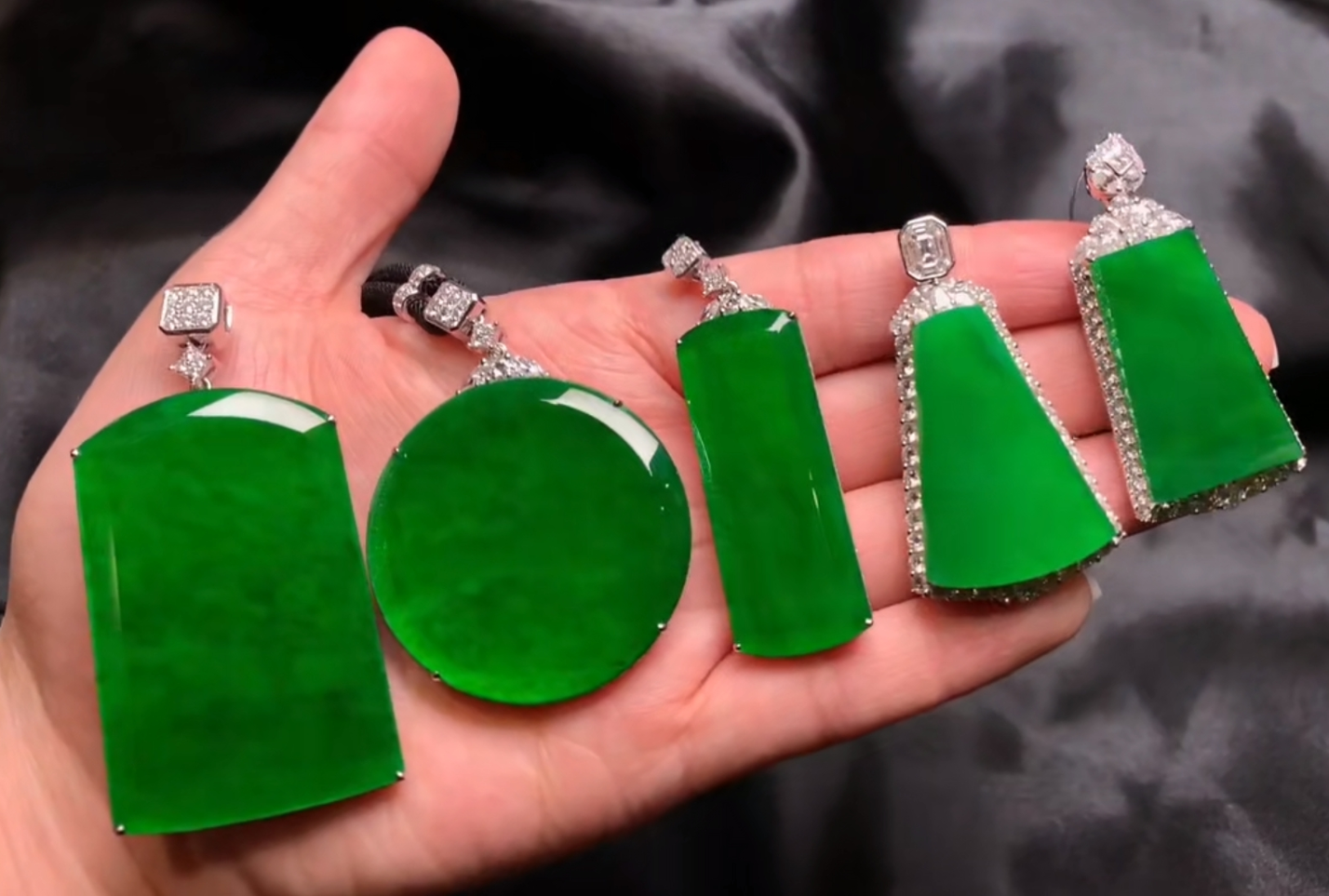
Plain Plaques (Wushi Pai 无事牌)
Sometimes, the most beautiful carving is almost no carving at all. A plain jadeite plaque (无事牌) relies almost entirely on the quality of the jade itself. Without decorative carving to hide imperfections, every aspect of the material is exposed color, transparency, grain & glow, texture, polish and shape. For this reason, high-quality plain plaques are highly respected and valued among experienced collectors.
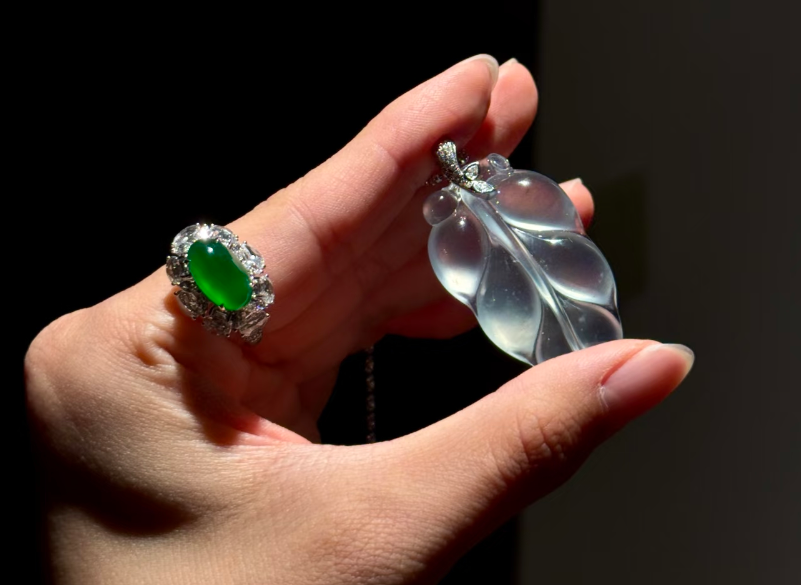
Leaf
The jadeite leaf represents growth, success, and new beginnings. Leaves symbolize the continuous growth of life and are often given to graduates, entrepreneurs, or anyone starting a new chapter. Many collectors also appreciate leaf pendants because they usually require relatively clean jade material. The graceful shape allows the natural beauty of the jade to remain the focus.
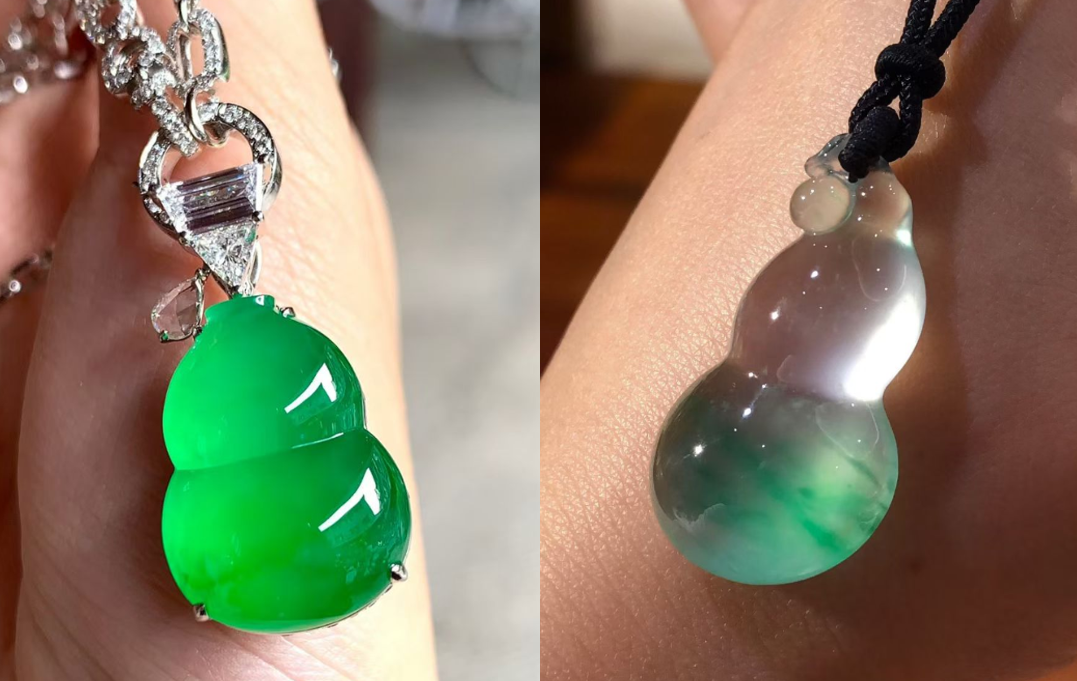
Gourd (Hulu 葫芦)
The Chinese gourd, known as Hulu, is one of the most beloved jadeite carving themes. Traditionally it symbolizes good fortune, health, prosperity, protection and abundance. Its rounded shape is both elegant and easy to wear. Because of its positive symbolism, jadeite gourds remain one of the most popular gifts for family members and friends.
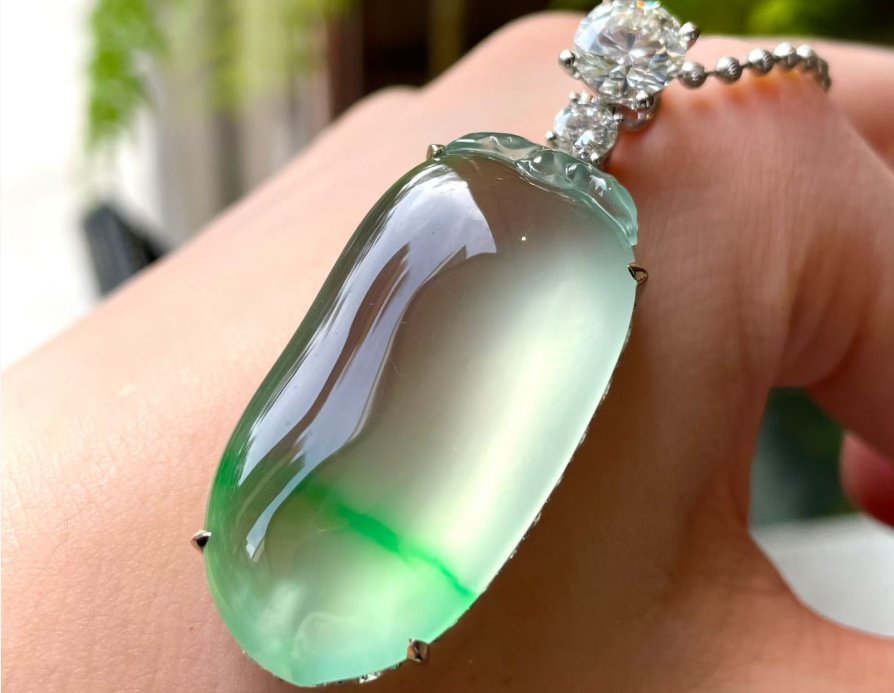
Fu Gua (福瓜)
The Fu Gua, or jade gourd melon, is one of the most beloved jadeite carving themes. Although it resembles a simple melon, it carries layers of meaning in Chinese culture.
"Fu" (福) means blessing, good fortune, and happiness. Because the word sounds the same as "fortune" in Chinese, the Fu Gua has long been regarded as a symbol of good luck and abundance. Its many seeds also represent prosperity, a flourishing family, and future generations, making it a popular gift for newly married couples or growing families.
Collectors also appreciate the elegant, flowing shape of the Fu Gua. The smooth curves highlight the beauty of the jadeite itself, allowing color, transparency, and glow to become part of the design. Well-proportioned Fu Gua pendants made from fine jadeite are timeless pieces that remain popular among collectors of all ages.
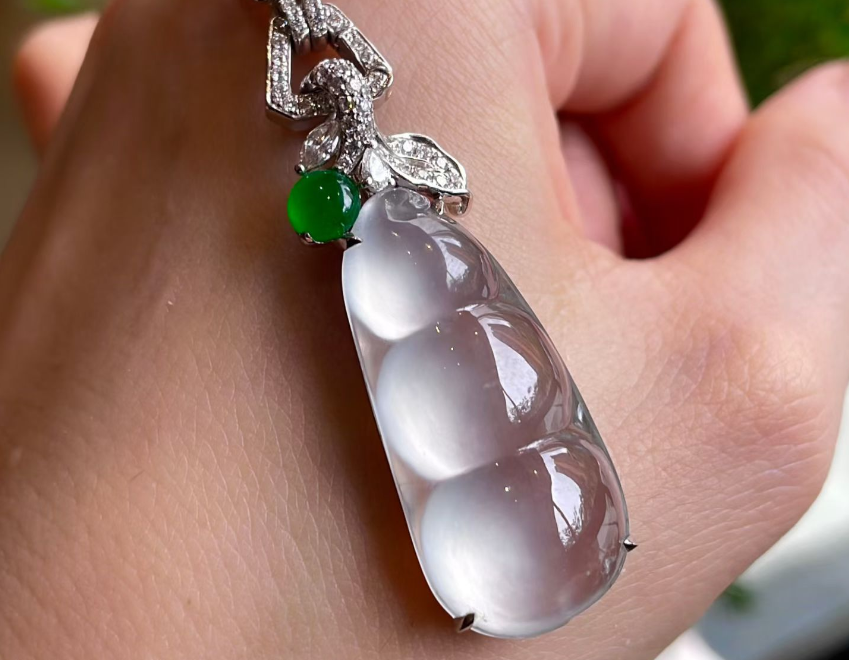
Fu Dou (Four-Season Bean福豆)
The Fu Dou, also known as the Four-Season Bean or Lucky Bean, is another classic jadeite carving that has been treasured for generations. Traditionally, the bean pod represents good fortune, peace, continuous blessings, a successful life and family harmony. The number of beans also carries different meanings.
A two-bean pod often symbolizes harmony between husband and wife. A three-bean pod is the most common design, representing fortune, prosperity, and longevity. A four-bean pod symbolizes the four seasons, expressing the wish that blessings, happiness, and success accompany the wearer throughout the entire year.
Because the shape is simple and elegant, the quality of the jadeite remains the center of attention. Fine Fu Dou pendants with excellent color and translucency are highly collectible, while their positive symbolism makes them one of the safest and most meaningful choices for both new and experienced collectors.
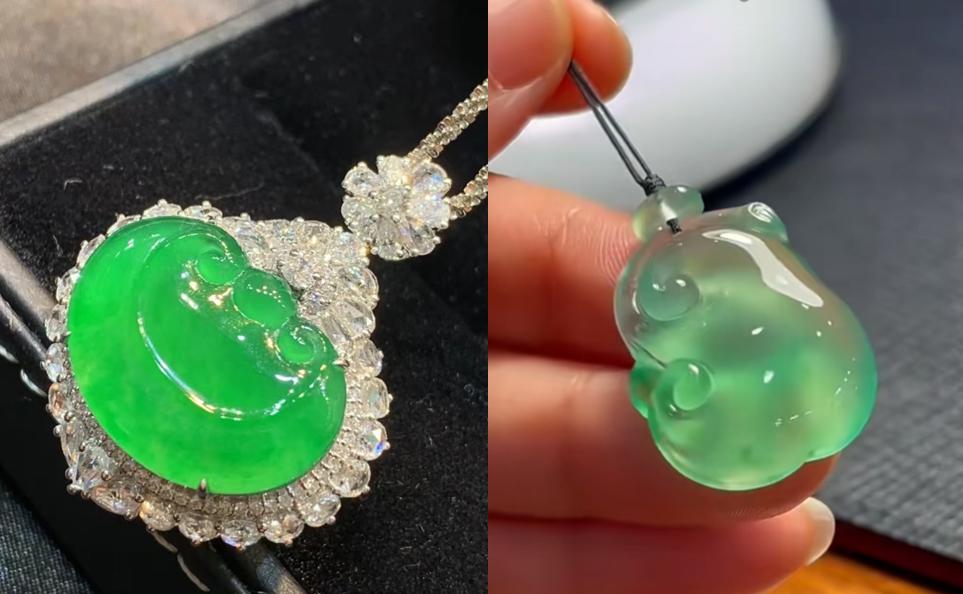
Ruyi (如意)
Ruyi literally means "as you wish." For centuries it has represented success, smooth progress, good luck and fulfillment of wishes. Ruyi pendants have a refined and elegant appearance, making them popular among business professionals and collectors alike.
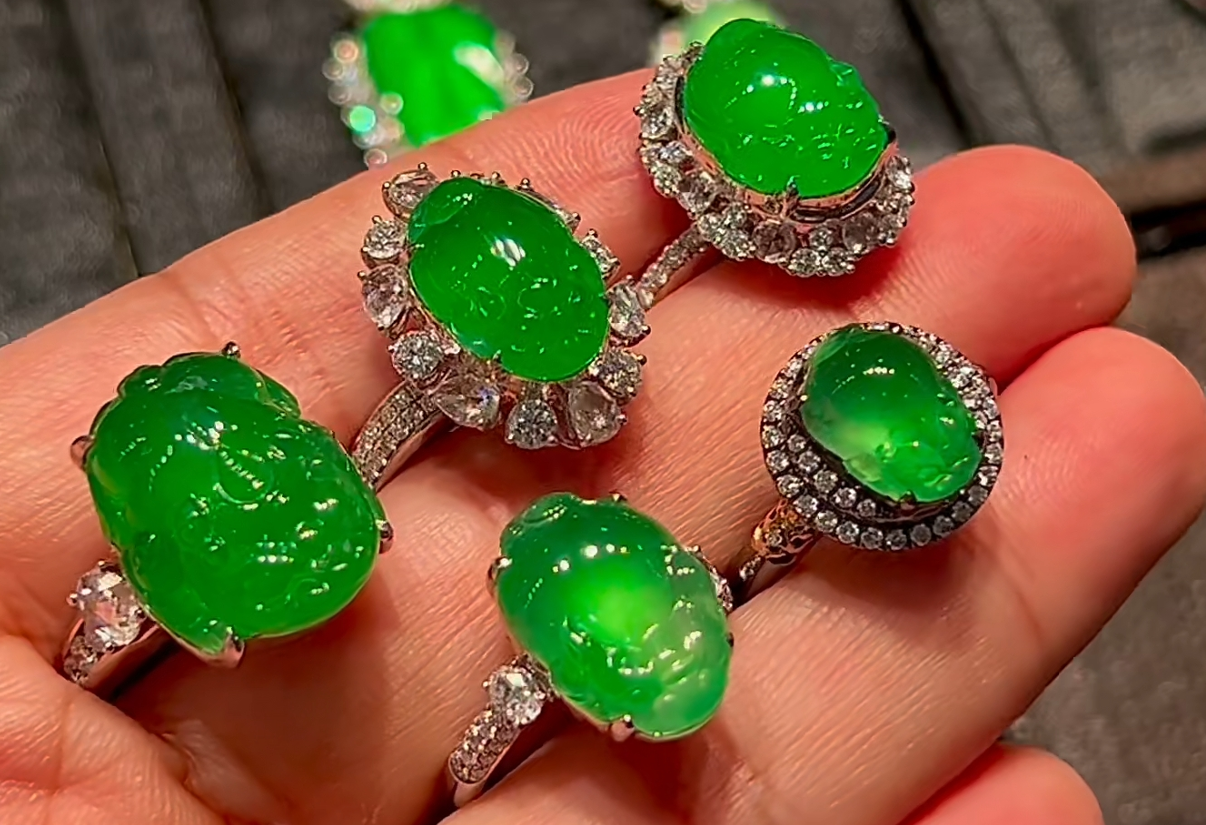
Pixiu (貔貅)
Pixiu is a mythical creature believed to attract and protect wealth. According to Chinese tradition, Pixiu gathers wealth but never lets it escape, making it one of the most famous Feng Shui symbols for financial prosperity. Today, jadeite Pixiu pendants and bracelets remain favorites among entrepreneurs, investors, and business owners.
Zodiac Animals
Many collectors enjoy wearing their own Chinese zodiac animal. Besides representing one's birth year, zodiac carvings symbolize personal identity, protection, and good fortune. Because each animal has its own personality, zodiac jadeite pendants often become deeply personal pieces that remain meaningful throughout life.
For example, the dragon is one of the highest-ranking symbols in Chinese culture. It represents power, leadership, courage, wisdom and success. Dragon carvings require exceptional craftsmanship because every scale, claw, and curve must appear lively and full of movement. Large dragon carvings made from high-quality jadeite are highly respected by collectors. Another example is the phoenix which symbolizes elegance, renewal, and prosperity. Often paired with the dragon, it represents harmony and the perfect balance between masculine and feminine energy. Phoenix pendants are admired for their graceful lines and flowing feathers, making them among the most artistic jadeite carvings.
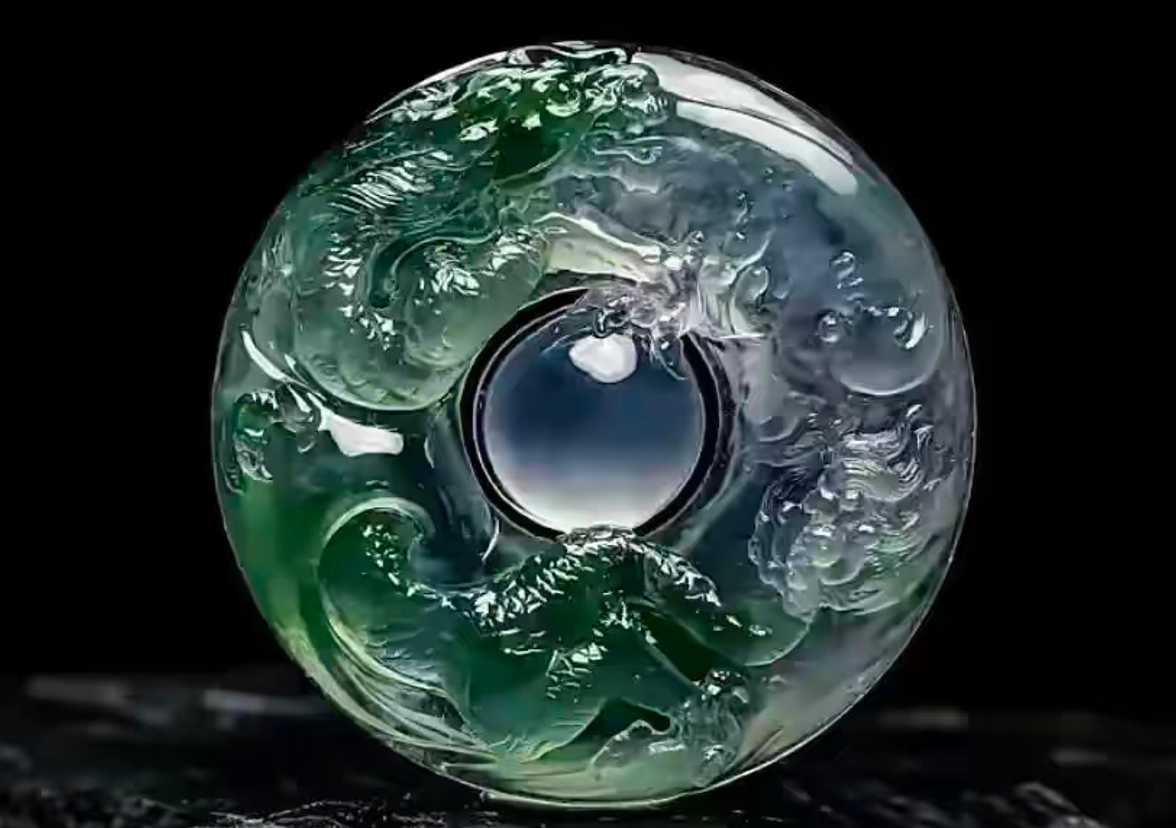
Landscape Carvings
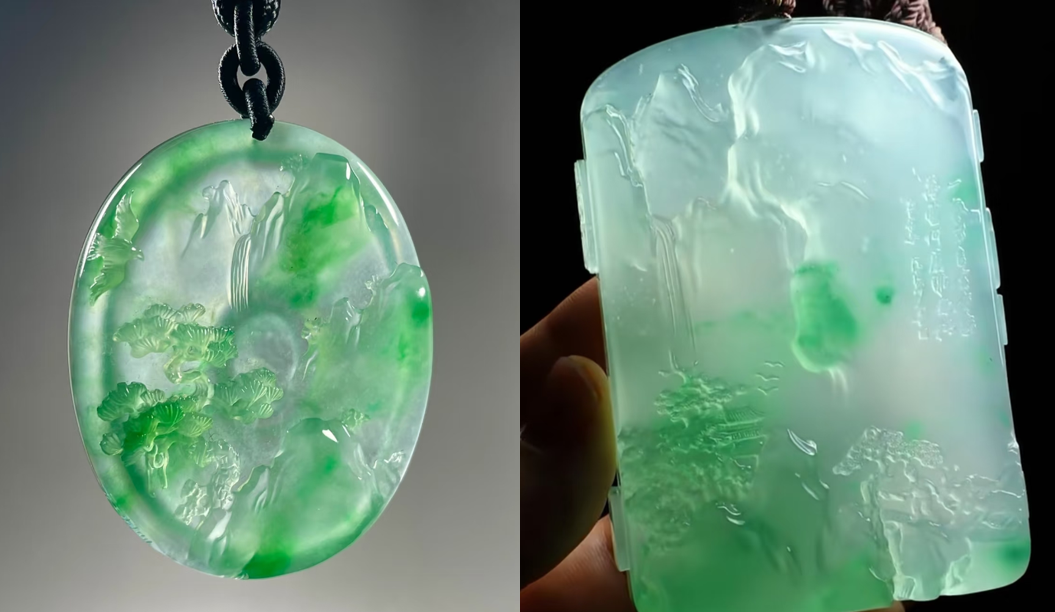
Landscape carvings showcase the artistic side of jade. Mountains, rivers, pine trees, waterfalls, and traditional Chinese architecture are carved into the stone to create miniature works of art. These carvings represent harmony with nature, peace of mind, wisdom and longevity. Collectors appreciate landscape carvings not only for the jade material but also for the creativity and skill of the artist.
The Best Carving Works With the Jade
Master jade carvers do not simply carve beautiful designs—they work with the natural characteristics of the jade. A slight green area may become a leaf. A touch of lavender may become a flower. A patch of yellow may become autumn leaves or a gourd. Rather than fighting nature, great jade artists allow the stone itself to guide the design. This partnership between nature and craftsmanship makes every fine jadeite carving unique.
Material Always Comes First
For collectors, it is important to remember one principle: Beautiful carving cannot compensate for poor jade. A masterpiece begins with high-quality natural jadeite. Excellent carving enhances the material, but it should never be used to hide cracks, poor transparency, or inferior texture. This is why experienced collectors evaluate both the jade and the craftsmanship together.
At Hermit Jade
At Hermit Jade, we believe every jadeite carving should tell a meaningful story. We carefully select natural jadeite with beautiful material first, then pair it with timeless carving themes that have been admired for generations. Whether it is a Buddha, Guanyin, Ping An Kou, leaf, gourd, or landscape carving, we believe the finest jadeite jewelry combines beauty, symbolism, craftsmanship, and lasting value. Because a truly great jadeite carving is more than jewelry—it is a work of art, a piece of culture, and a treasure that can be passed from one generation to the next.