How Jadeite Entered China and Became an Imperial Treasure
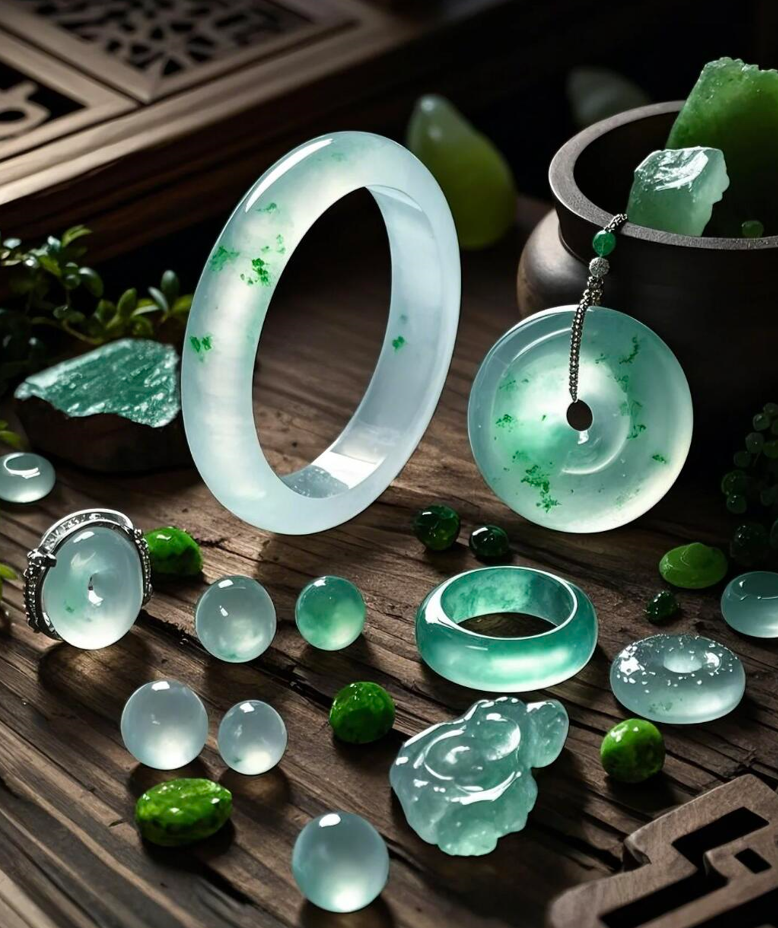
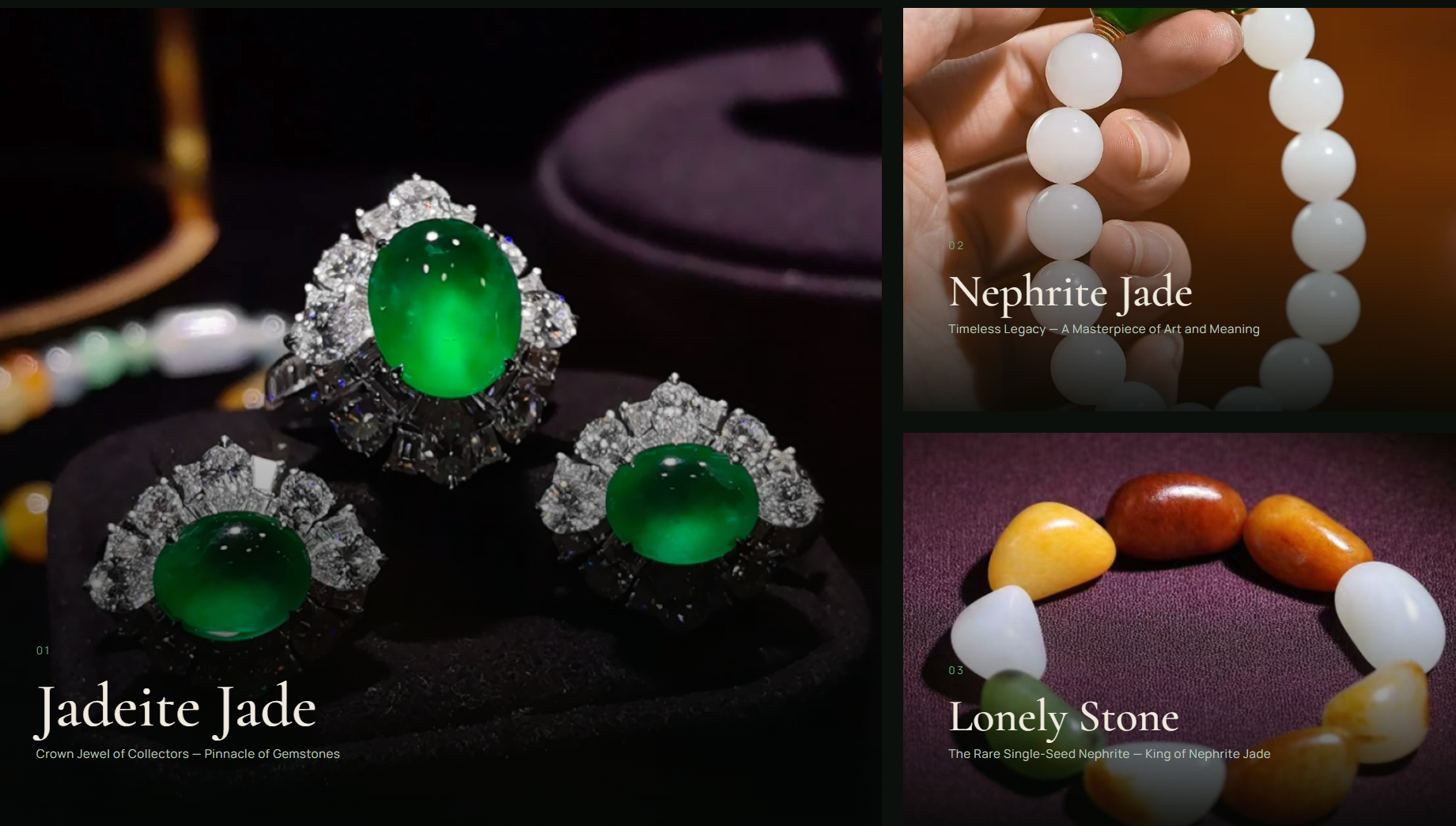
For thousands of years, jade in China meant only one thing: Nephrite.Calm in color and gentle to the touch, Nephrite jade reflected Chinese values of restraint, virtue, and inner strength. It was the jade of scholars, rituals, and emperors. In the long Chinese history, this was the only true jade people recognized.
Jadeite, the brighter and harder jadeite gemstone, arrived much later. When it first appeared here, it was foreign, unfamiliar and difficult to work with. Yet in a few centuries, jadeite rise up to rival Nephrite and become the most prized imperial jade in China.
In this blog, we will share the story of how jadeite entered China, how it earned trust, and how it became a symbol of power, luxury, and prestige.
The Jade Road: How Jadeite Entered China
Jadeite jade first entered China through trade with Myanmar (formerly Burma), the only known natural source country of jadeite stone. Long before jadeite’s value was recognized, trade routes already existed between Burma and China’s southwestern regions.
By the 13th and 14th centuries, small quantities of raw jadeite stone began to reach Yunnan Province through ancient caravan paths. These routes later became known as the Jade Road, a quieter and less famous network compared to the Silk Road. Along these rugged mountain paths, traders transported jadeite stones across borders, often without fully understanding their potential value.
At this stage, jadeite was rare, expensive, but poorly understood. It was not yet considered authentic jade by Chinese standards, which were deeply shaped by centuries of Nephrite dominance.
Skepticism, Curiosity, and Craftsmanship
When jadeite first appeared in China, many scholars and artisans were doubtful. Compared to Nephrite jadeite felt too hard, too sharp, and visually too intense. Its vivid green color seemed bold rather than subtle. Traditional tools struggled with its density and it was very difficult to carve.
But curiosity slowly overcame resistance.
In Yunnan province, where hardstone carving was already in practice, artisans began to experiment with this unfamiliar material. They discovered something remarkable: jadeite could be polished to a mirror-like surface, with sharper lines and finer detail than Nephrite. When the stone was of high quality, it appeared almost translucent, glowing from within.
As more jadeite pieces circulated, merchants and collectors began to notice its beauty and value. By the late Ming dynasty, jadeite had become an object of fascination among southern Chinese traders. There were no grading systems, no certificates of authentic jadeite, and no fixed jadeite stone price. Value depended entirely on experience, instinct, and the rare ability to judge a stone beneath its surface.
This skill, still essential today, is what collectors call “seeing the jade.”
From Rare Stone to Imperial Treasure
By the 17th century, knowledge of jadeite had quietly spread among wealthy families and artisans. Yet jadeite remained scarce. Long-distance trade was difficult, and Nephrite jade still dominated cultural life.
However, tastes were beginning to change.
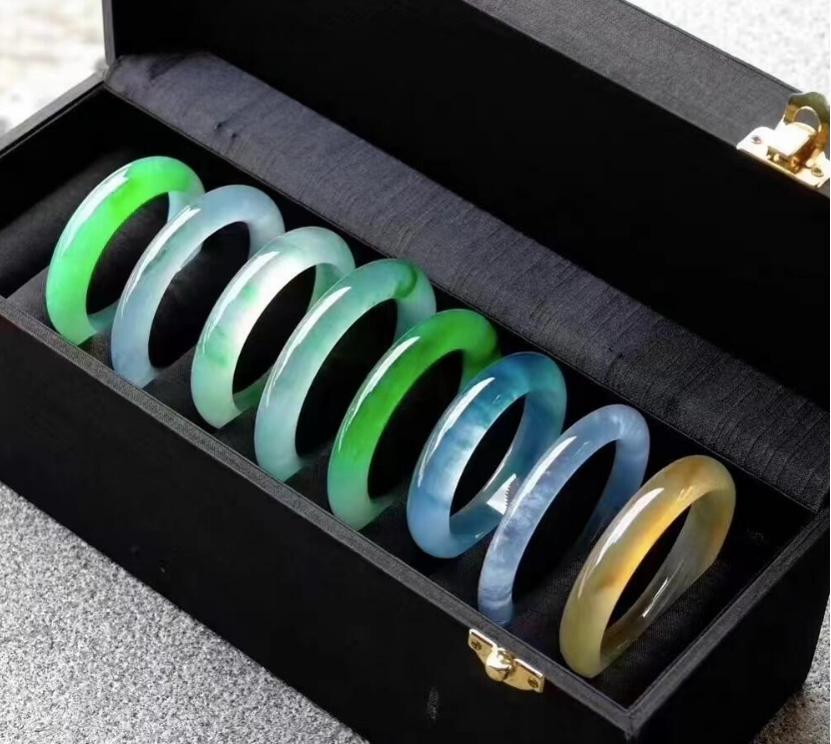
China’s elite developed a growing appreciation for higher polish, brighter color, and more intricate craftsmanship. Jadeite, with its intense and translucent greens, purples, yellows, blues, whites, and rich textures, met their desire perfectly.
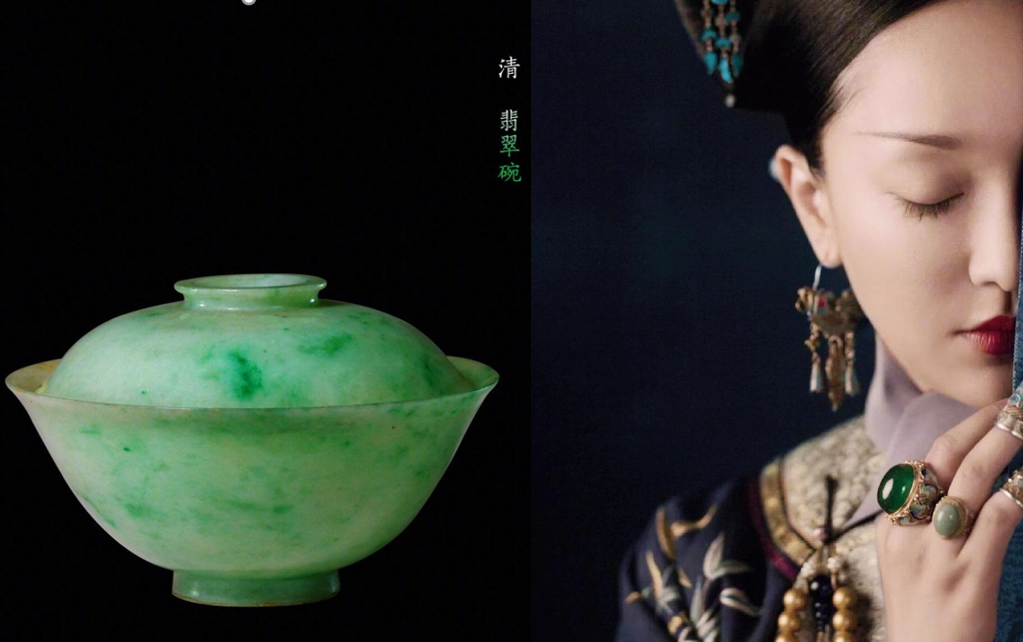
The turning point came in the 19th century, during the Qing dynasty, when jadeite entered the imperial court and became a symbol of supreme status.
Empress Dowager Cixi and the Rise of Jadeite
No figure decided the fate of jadeite more than Empress Dowager Cixi, one of the most powerful women in Chinese history. A ruler with refined taste and absolute authority, she became deeply enamored with Imperial Green jadeite.
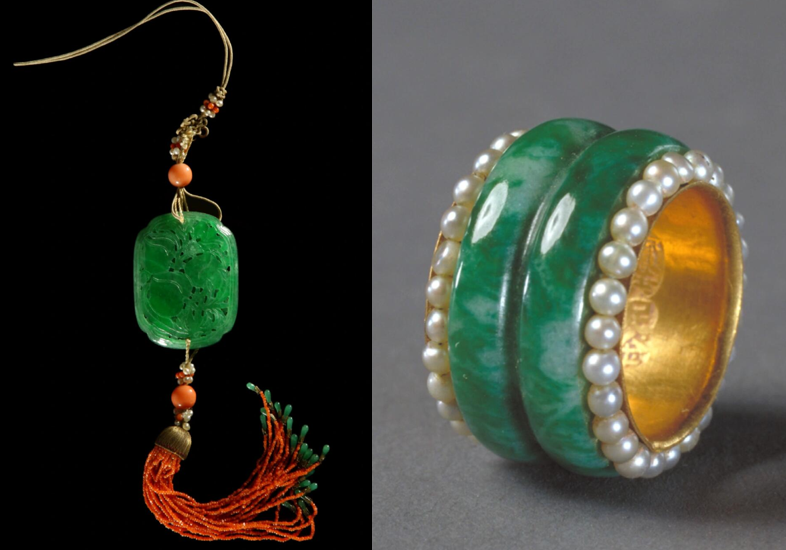
Cixi collected jadeite obsessively. Her personal pieces included jade bangles, jade rings, jade hairpins, jade earrings, and ceremonial ornaments, all crafted from natural, untreated jadeite of exceptional quality. She demanded stones with strong color, high translucency, and flawless structure. Only the finest real jadeite was acceptable for court use.
Her personal taste became the imperial law.
As demand grew, jade caravans increased their journeys from Burma into China. Artisans adapted their skills to this harder material, developing new techniques to unlock jadeite’s brilliance. The results were extraordinary. Jadeite could be carved with sharp precision and polished to a glassy finish, giving rise to jade jewelry unlike anything China had seen before.
Under Cixi’s influence, jadeite became the highest expression of luxury. What was once a foreign stone became the most coveted jadeite gemstone in the empire.
More Than Jewelry: A Cultural Shift
Jadeite’s rise did not replace Nephrite; it expanded the meaning of jade itself. Nephrite continued to symbolize moral virtue and scholarly ideals, while jadeite came to represent wealth, vitality, and imperial elegance.
For the first time, jade was openly celebrated for visual brilliance. Jade rings, bangles, and ornaments were worn not only for symbolism, but also for beauty and status. The meaning of a jade ring evolved, symbolizing protection, authority, and personal power. Even today, many collectors ask: what does a jade ring symbolize? The answer often traces back to this Qing dynasty transformation.
Today, collectors still refer to exceptional jadeite stones as “Cixi jadeite”, meaning untreated, natural jadeite with imperial green color and outstanding clarity. Many of her original pieces remain preserved in museums, recognized as cultural treasures.
An Imperial Legacy That Lives On
At Hermit Jade, we see this moment in history as the birth of jadeite’s eternal legacy. Jadeite is not simply a gemstone; it is a symbol of transformation, vision, and cultural evolution.
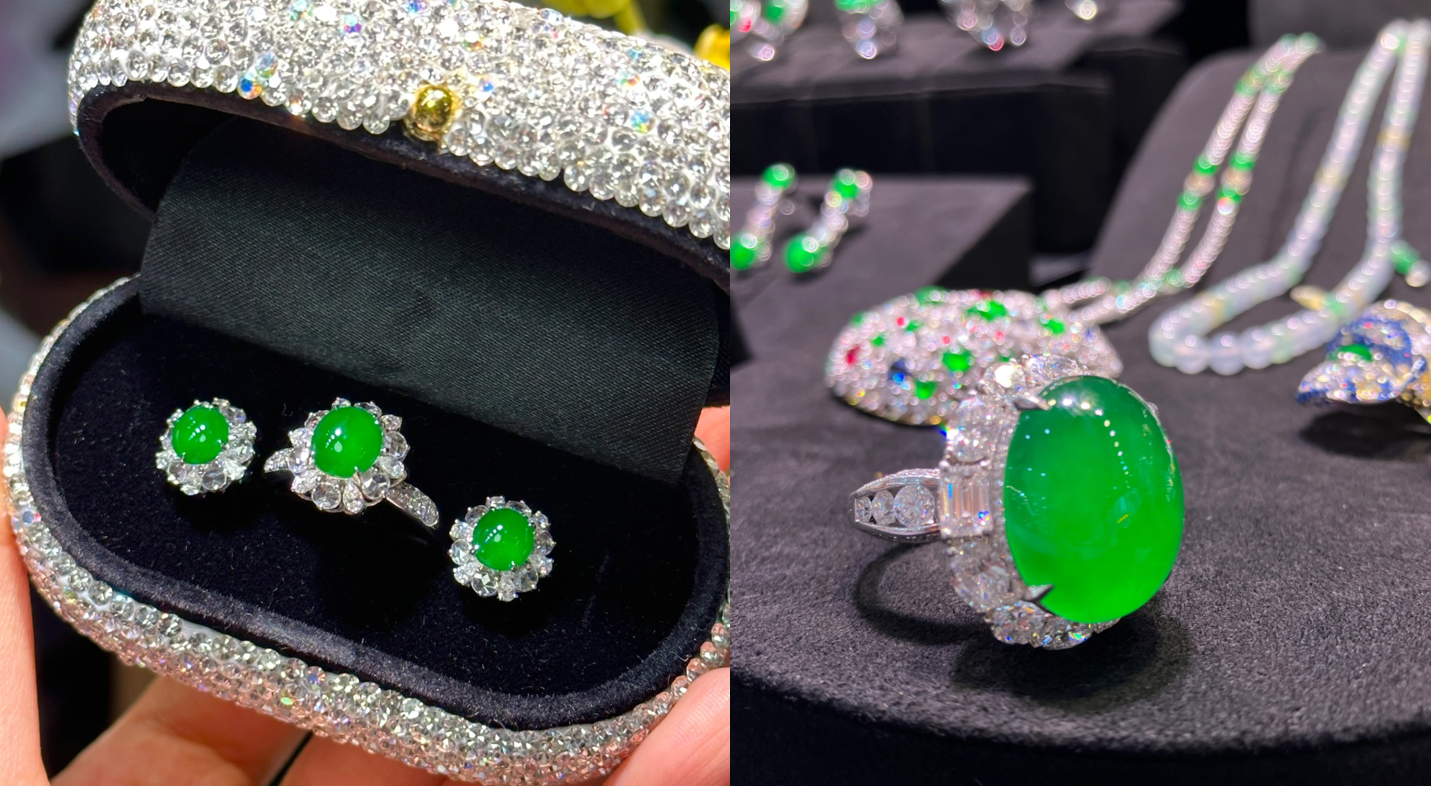
Our jadeite pieces honor this imperial tradition. Each jade ring, bangle, or pendant is selected for authenticity, natural beauty, and spirit. We work only with natural jadeite, respecting the stone as the Qing court once did.
To own jadeite is not only to wear jewelry. It is to hold history, craftsmanship, and meaning in your hands. This is why jadeite remains one of the most treasured forms of true jade, cherished across cultures, generations, and borders.
This is The Jadeite Legend — a story still being written.